Why Cats Love Hiding Spots: The Psychology Behind Cozy Spaces
Anyone who shares their home with a feline friend has watched the same scene play out: you buy an expensive toy, and your cat curls up in the cardboard box it came in instead. From laundry baskets to closet corners to the gap behind the sofa, cats are drawn to hiding spots like magnets. But why do cats love hiding spots so intensely, and what is really going on inside that furry little head? In this guide, we’ll unpack the psychology behind these cozy spaces, explore the deep instincts at work, and show how the right cat trees and cat supplies can turn your home into a feline paradise.
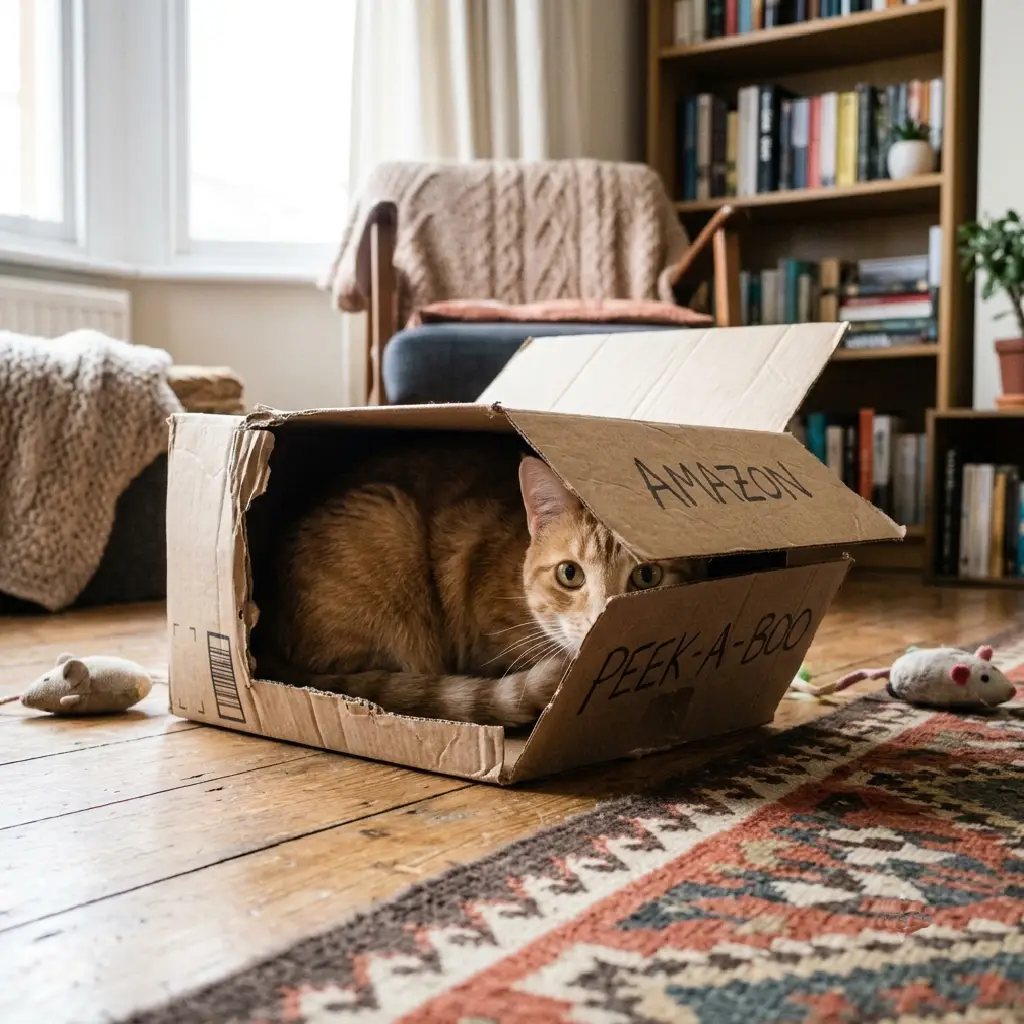
The Psychology of Cats and Hiding Spots
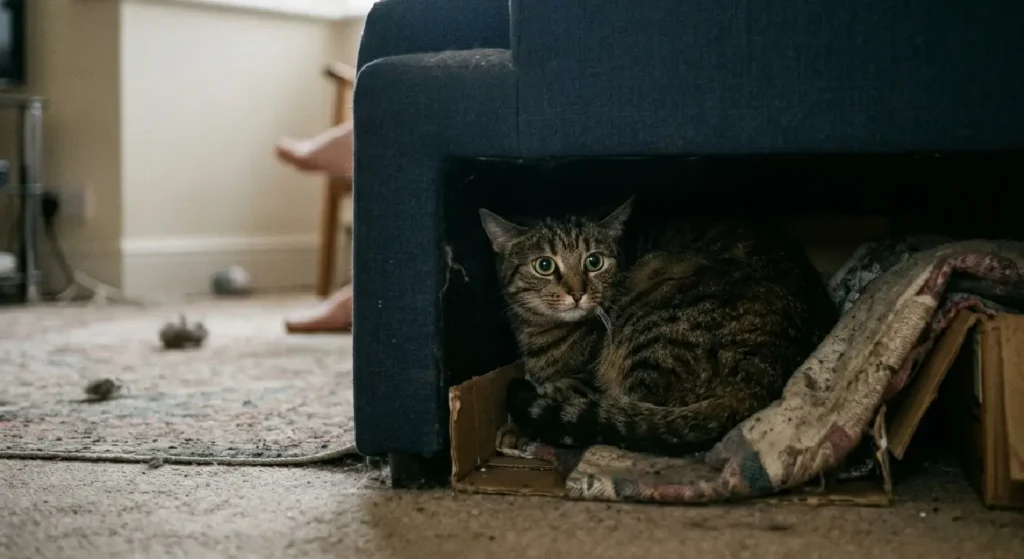
Cats are natural predators, and that single fact explains most of their behavior. In the wild, hiding spots are tools of survival. A cat uses a concealed nook to stalk prey without being seen, to dodge larger predators, and to rest somewhere it cannot be ambushed. Thousands of years of evolution have hardwired this drive, and even pampered house cats still carry it. When your cat slips into one of its favorite hiding spots, its nervous system reads the moment as “I am safe,” and that sense of security is exactly what allows a cat to truly relax.
This is why hiding spots are far more than a quirky habit. They are an emotional regulator. A cat with access to reliable hiding spots tends to be calmer, more confident, and less stressed than one without them.
- Instinctual behavior: A cat’s love of hiding spots is rooted in an ancient instinct to seek out safe, defensible locations.
- Comfort and security: A good retreat gives a cat the sense of safety it needs to lower its guard and recharge.
- Stalking behavior: Concealed nooks let a cat observe the world and rehearse its hunting instincts without being noticed.
Choosing the Right Hiding Spots for Your Cat: A Quick Comparison
Not all hiding spots offer the same benefits, and the best choice depends on your cat’s personality, your space, and your budget. A shy cat may crave a fully enclosed den, while a confident watcher prefers a high perch. The comparison below breaks down the most popular hiding spots so you can match the right cozy space to your cat with confidence.
| Hiding Spot | Best For | Key Benefit | Cost & Effort |
|---|---|---|---|
| Cardboard Box | Cats who love total privacy | Snug walls and instant security | Free & effortless |
| Covered Bed / Igloo | Shy or easily startled cats | Warmth plus a single guarded entrance | Low cost, no setup |
| Cat Tunnel | Playful, energetic cats | Doubles as a hideaway and ambush zone | Low cost, packs away |
| Cat Tree Cubby | Cats who want it all | Climbing, scratching, and hiding spots in one | Higher cost, some assembly |
| Elevated Shelf | Confident lookouts | A high vantage point to survey the room | Moderate cost, wall mounting |
| Quiet Closet Nook | Cats in busy or noisy homes | A dim, low-traffic retreat from chaos | Free, just add a blanket |
How to Create Safe and Inviting Hiding Spots at Home
You don’t need to spend a fortune to give your cat wonderful hiding spots. Start by observing where your cat already chooses to hide, then enhance those areas. If your cat loves the closet shelf, add a soft blanket. If it favors the corner behind the couch, slip a covered bed there.
Placement is everything. Position each hiding spot away from noisy appliances and high-traffic walkways so your cat feels genuinely undisturbed. Spread several options across multiple rooms and at varying heights, giving your cat the freedom to choose based on its mood. Most importantly, treat these sanctuaries as off-limits. Never drag a cat out of its retreat, because the entire value of hiding spots depends on them remaining safe and predictable.
In multi-cat households, generous coverage also prevents conflict. When every cat has its own private territory, there is far less competition and far less tension overall.
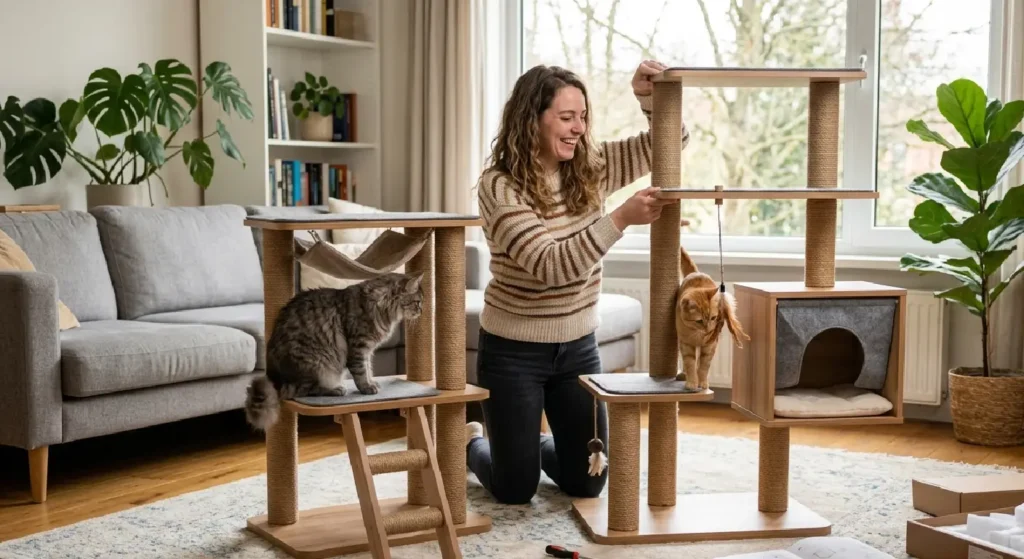
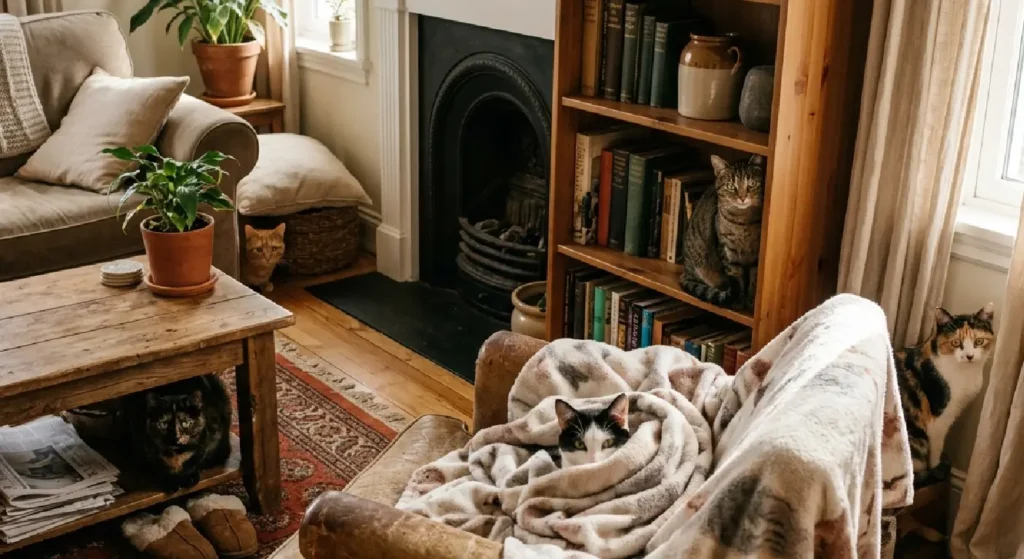
The Survival Instinct Behind the Behavior
To understand why these hiding spots matter so much, it helps to think like a small predator that is also potential prey. In nature, a cat sits in the middle of the food chain. That double role means a cat constantly scans for two things at once: opportunities to hunt and threats to escape. A snug, enclosed space solves both problems elegantly, shielding a cat’s vulnerable back and flanks and leaving only one direction to watch.
Warmth plays a role too. Cats evolved from desert-dwelling ancestors, so they are wired to seek out warm, snug corners that conserve body heat. A sun-warmed windowsill, a pile of fresh laundry, or an enclosed bed all double as cozy hiding spots that satisfy this thermal craving. When you combine safety with warmth, you get the irresistible appeal that draws cats of every breed and age.
The Role of Cat Trees and Cat Supplies
While your cat will gladly invent its own hideaways under the bed or inside an open drawer, thoughtfully chosen cat trees and cat supplies dramatically upgrade the experience. Cat trees, in particular, add a vertical dimension that flat furniture cannot. A tall tree gives a cat elevated perches, climbing challenges, and tucked-away cubbies, so the same piece of furniture delivers several hiding spots at different heights.
Height matters more than many owners realize. From a high perch, a cat can survey the entire room, which taps directly into that survival instinct. The best cat trees blend these lookout points with enclosed hideaways, giving your cat a choice between watching from above and disappearing into private nooks below.
- Cat trees: Provide vertical space to climb, perch, and retreat into elevated hiding spots.
- Cozy sleeping areas: Many cat trees include padded cubbies and hammocks that act as ready-made dens.
- Scratching posts: Built-in posts satisfy a cat’s urge to scratch and mark territory while it lingers near its favorite spots.
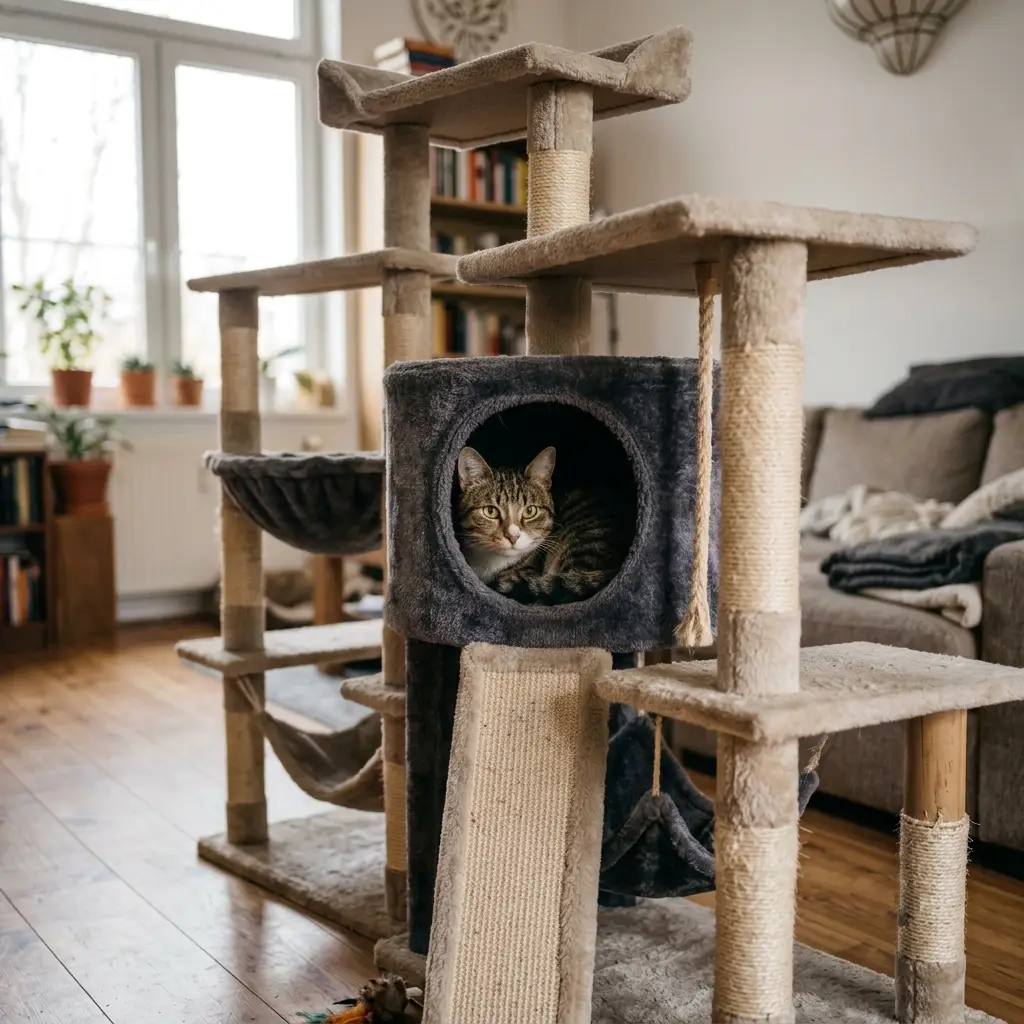
Beyond cat trees, simple cat supplies expand the options even further. Cat beds with raised rims, soft blankets, and collapsible tunnels all recreate the snug, enclosed feeling of natural hiding spots. Cats gravitate toward soft, warm materials they can burrow into, so stocking your home with these supplies is one of the easiest ways to honor your cat’s instinctive need for cozy hiding spots.
When Hiding Becomes a Concern
A healthy love of hiding spots is completely normal. However, a sudden change in how your cat uses its hiding spots can be a signal worth noticing. If a typically social cat begins disappearing for long stretches, refusing food, or retreating to unusual new places, it may be feeling unwell, stressed, or frightened.
The key is context. Choosing to nap in a well-loved nook is contentment. Withdrawing while also showing changes in appetite, litter box habits, or grooming may warrant a conversation with your veterinarian. Knowing your cat’s normal routine makes these warning signs much easier to spot early.
Conclusion
Cats love hiding spots because those cozy spaces deliver a powerful trio of benefits: security, comfort, and a stage for their natural instincts. By understanding the psychology behind this behavior, you can transform your home into an environment where your cat genuinely thrives. Cat trees and cat supplies make satisfying these instincts effortless, supplying safe, warm retreats where your cat can relax and recharge. So the next time you find your cat curled up in one of its favorite hiding spots, remember that it isn’t just adorable — it’s an essential part of a happy, healthy feline life.
Frequently Asked Questions
1. Why do cats love hiding spots so much?
Cats love hiding spots because of a deep survival instinct. In the wild, concealed nooks help them stalk prey, avoid predators, and rest safely, and that instinct remains strong even in domesticated cats.
2. Are hiding spots a sign my cat is stressed?
Not usually. Seeking out a cozy retreat is normal, healthy behavior. It only becomes a concern when a cat suddenly increases its hiding alongside other changes like loss of appetite or unusual litter box habits.
3. How many hiding spots does one cat need?
There’s no fixed number, but most cats appreciate at least two or three options spread across different rooms and heights so they always have a comfortable retreat nearby.
4. Do cat trees really count as hiding spots?
Yes. Cat trees with enclosed cubbies, hammocks, and high perches make excellent hiding spots, combining the security of an enclosed space with the elevated vantage point cats instinctively love.
5. Why does my cat prefer cardboard boxes over expensive beds?
Boxes make ideal hiding spots because their snug walls provide warmth, privacy, and security — exactly the qualities cats seek in any natural retreat.
6. Should I pull my cat out of its hiding spots?
No. These spaces only work if they feel safe, so forcing a cat out undermines their purpose. Let your cat leave on its own terms.
7. Where are the best places to set up hiding spots at home?
The best locations are quiet, low-traffic areas away from loud appliances. Closets, elevated shelves, covered beds, and corners all make excellent hiding spots.
8. Do indoor cats still need hiding spots?
Absolutely. Indoor cats retain the same instincts as their wild ancestors, so cozy retreats are just as important for their comfort, confidence, and stress relief.
9. Can too many hiding spots be a bad thing?
Generally no. Plenty of options actually reduce stress and territorial conflict, especially in multi-cat homes. The only caution is making sure you can still find your cat when needed.
10. Will providing hiding spots stop my cat from hiding in random places?
Often, yes. When cats have access to appealing, purpose-built hiding spots, they’re less likely to wedge themselves into awkward or unsafe gaps around the house.