Best Cat Trees for Different Cat Breeds
Not every feline wants the same thing from a climbing post, and that is exactly why choosing the right cat trees for different cat breeds matters so much. A 20-pound Maine Coon needs a very different setup than a dainty Singapura or a sleepy senior cat. The wrong pick gets ignored, wobbles dangerously, or wears out in months. The right one becomes the center of your cat’s daily world.
This breed-by-breed cat tree guide walks through how size, energy level, and personality should shape your decision, then answers the ten questions cat owners ask most often. By the end, you will know precisely what to look for so your money goes toward a cat tree your cat actually uses.
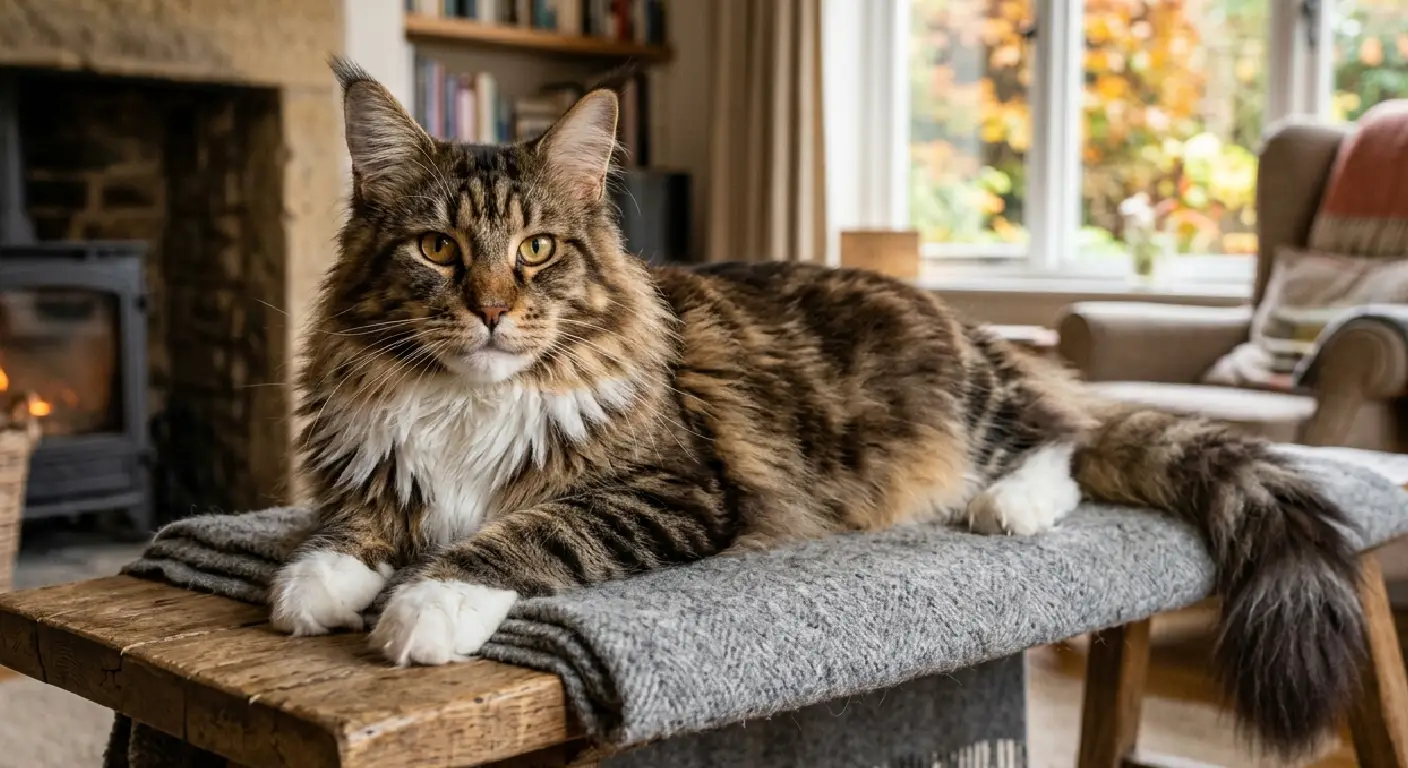
Why Breed Matters When You Choose a Cat Tree
Every feline has a unique genetic blueprint that dictates their weight, energy levels, and natural climbing style. Because of these distinct traits, a generic piece of pet furniture can easily become an expensive, tippy hazard. If you want to keep your pet safe, understanding your cat’s specific breed profile is essential before buying a new cat tree.
Cats are vertical thinkers
Climbing and surveying their territory from a high perch is hardwired instinct, not a luxury, and a good cat tree feeds that instinct directly. But the way that instinct expresses itself changes dramatically from one breed to the next, which is why the best option for one cat can be the wrong one for another.
Body size is the most obvious factor
Standard cat trees are typically engineered for cats weighing 8 to 10 pounds, so when a 15-pound-plus cat leaps onto a flimsy frame, the tipping risk is real. Cats are perceptive creatures, and if a structure feels unsafe even once, many will refuse to use it again, leaving you with a wasted purchase and a cat that claims your couch instead.
Energy level is the second factor
An athletic Bengal or Abyssinian will treat a cat tree like a jungle gym, demanding tall heights and rugged scratching surfaces. A calmer Persian or an aging cat prefers a low, easy-access design with cozy lounging spots. Matching the structure to the temperament is half the battle.
Why Breed Matters When You Choose a Cat Tree
Cats are vertical thinkers. Climbing and surveying their territory from a high perch is hardwired instinct, not a luxury, and a good cat tree feeds that instinct directly. But the way that instinct expresses itself changes dramatically from one breed to the next, which is why the best option for one cat can be the wrong one for another.
Body size is the most obvious factor. Standard cat trees are typically engineered for cats weighing 8 to 10 pounds, so when a 15-pound-plus cat leaps onto a flimsy frame, the tipping risk is real. Cats are perceptive creatures, and if a structure feels unsafe even once, many will refuse to use it again, leaving you with a wasted purchase and a cat that claims your couch instead.
Energy level is the second factor. An athletic Bengal or Abyssinian will treat a cat tree like a jungle gym, demanding tall heights and rugged scratching surfaces. A calmer Persian or an aging cat prefers a low, easy-access design with cozy lounging spots. Matching the structure to the temperament is half the battle.
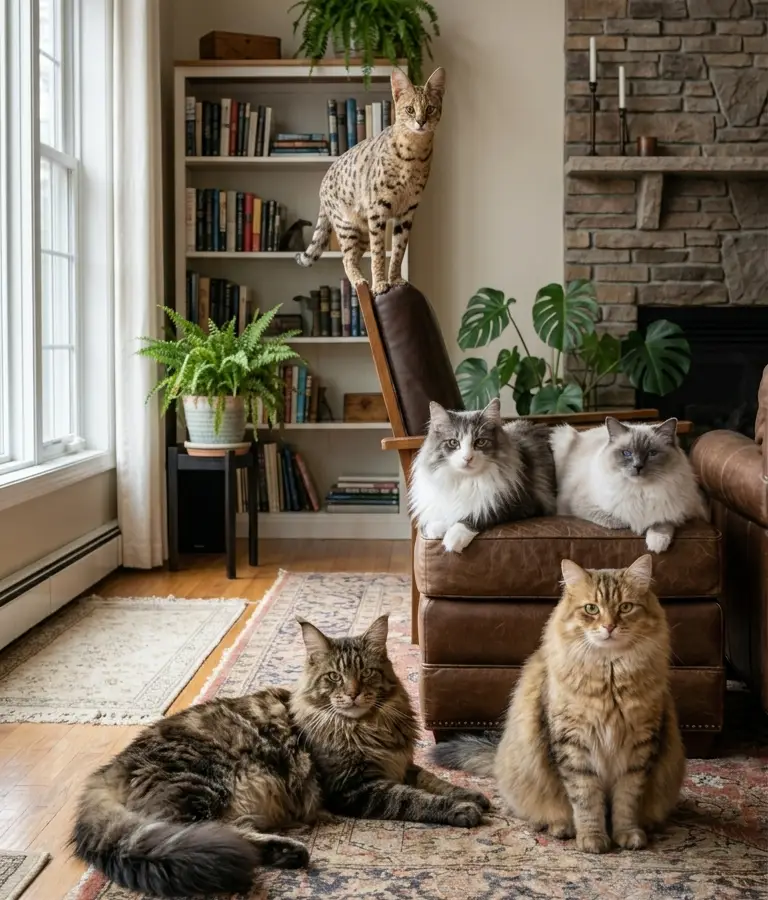
Best Cat Trees for Large Breeds
(Maine Coon, Ragdoll, Norwegian Forest, Savannah)
Large breeds like Maine Coons, Ragdolls, Bengals, Savannahs, and Norwegian Forest Cats can easily clear 12 pounds and stand 10 to 12 inches tall at the shoulder. For these giants, stability is non-negotiable.
Look for these features when shopping cat trees for different cat breeds in the heavyweight category:
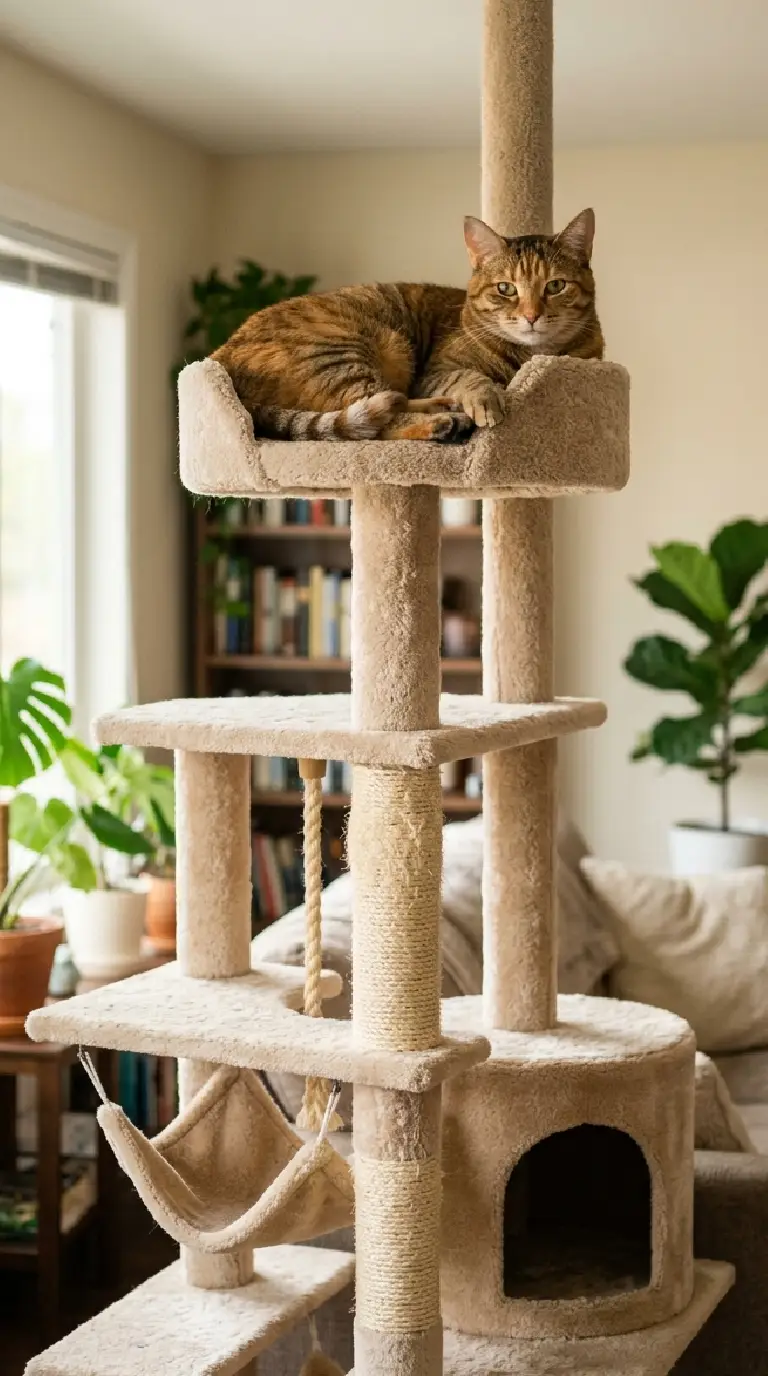
- A heavy, wide base that prevents tipping during enthusiastic jumps. Floor levelers help on uneven surfaces, and wall anchors add peace of mind in multi-cat homes.
- Tall height of 60 inches or more, giving big cats the vertical territory they crave with staggered platforms that create separate zones for playing, perching, and napping.
- Oversized platforms wide enough for a full stretch. Aim for perches and condos sized to the breed rather than the average house cat.
- Solid wood or metal frames rather than thin particle board, since these materials handle the weight of large, active cats without deteriorating over the years.
- Heavy-duty sisal scratching surfaces, ideally replaceable, because large cats scratch with far more force and will shred cheap pads quickly.
A well-built cat tree in this class supports cats up to 30-plus pounds and rewards the higher upfront cost with years of reliable use.
Best Cat Trees for Active and Athletic Breeds
(Bengal, Abyssinian, Egyptian Mau)
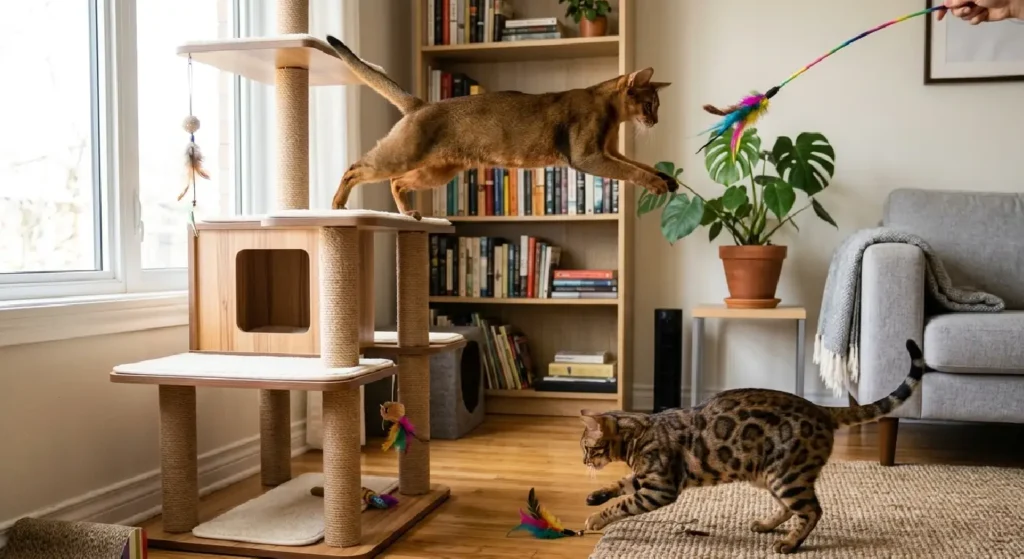
High-energy breeds are climbers, jumpers, and relentless scratchers. They need a cat tree built for vertical drama and durability more than plush comfort. Prioritize maximum height, multiple climbing routes, and ladders or angled ramps that let them race from floor to ceiling. Generous sisal posts give these tireless athletes a legitimate outlet so they leave your furniture alone. Sturdy anchoring is essential, because an athletic cat hits a cat tree with real momentum.
Best Cat Trees for Small and Petite Breeds
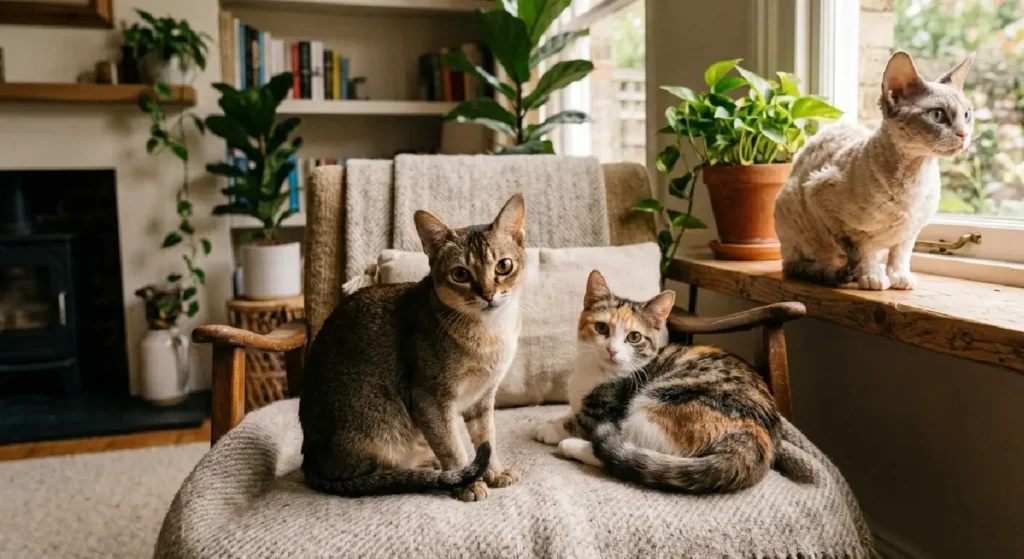
(Singapura, Devon Rex, Cornish Rex)
Small and slender breeds do not need a towering fortress. A mid-height cat tree with cozy, enclosed condos suits them beautifully. These cats often love to hide and feel cradled, so look for snug cubbies, padded hammocks, and perches scaled to a lighter frame. A compact 40 to 54-inch cat tree with a couple of perches and a condo usually delivers everything a petite cat wants without dominating your living room.
Best Cat Trees for Calm and Long-Haired Breeds
(Persian, British Shorthair, Ragamuffin)
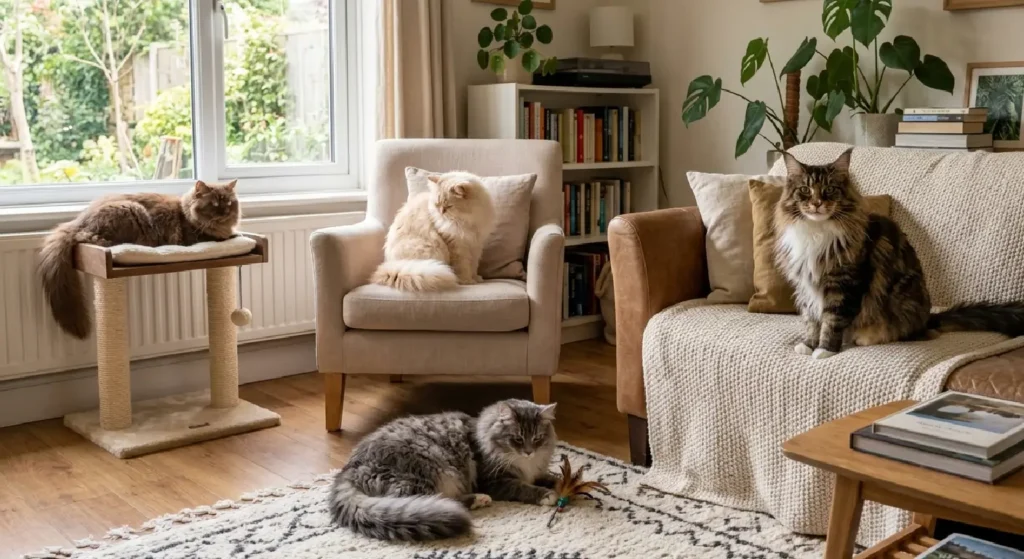
Mellow, fluffy breeds value comfort over acrobatics. They tend to favor a cat tree with wide, padded lounging platforms and low-to-mid perches they can reach without much effort. Soft plush surfaces and roomy beds win the day here. Because long coats shed, removable, washable cushions are a genuine quality-of-life upgrade for both cat and owner.
Best Cat Trees for Kittens and Senior Cats
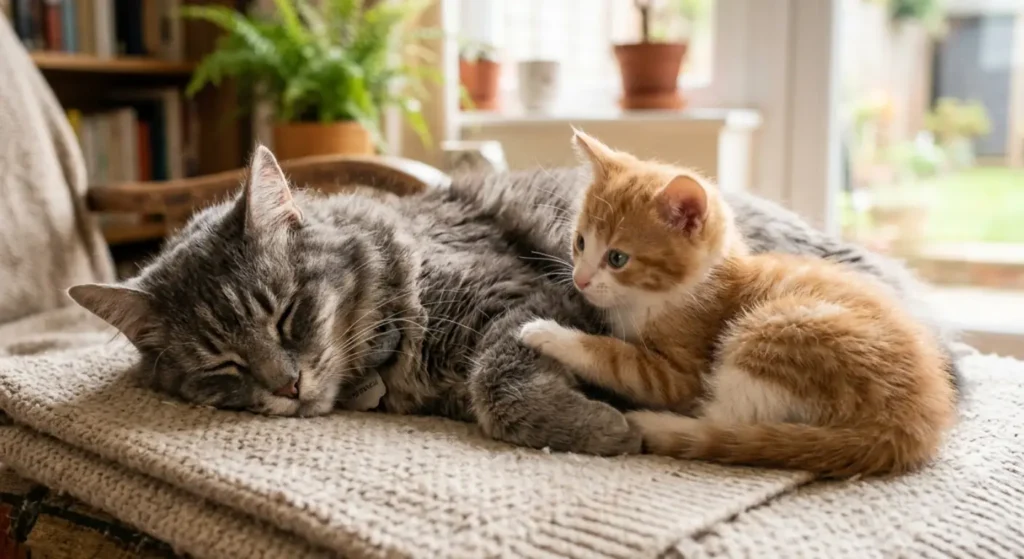
Kittens and seniors share a need for easy, safe access, even though they sit at opposite ends of life.
Kittens benefit from lower platforms, gentle ramps, and built-in toys that channel their boundless curiosity, all while keeping fall distances short while coordination develops. Avoid anything with wide gaps a tiny body could slip through.
Senior cats often struggle with joint stiffness, so a cat tree with closely spaced steps, a sturdy ramp, and a heated or extra-padded ground-level bed lets them keep enjoying a perch without painful leaps. Ground-floor hideaways are a thoughtful touch as mobility declines.
Best Cat Trees for Multi-Cat Households
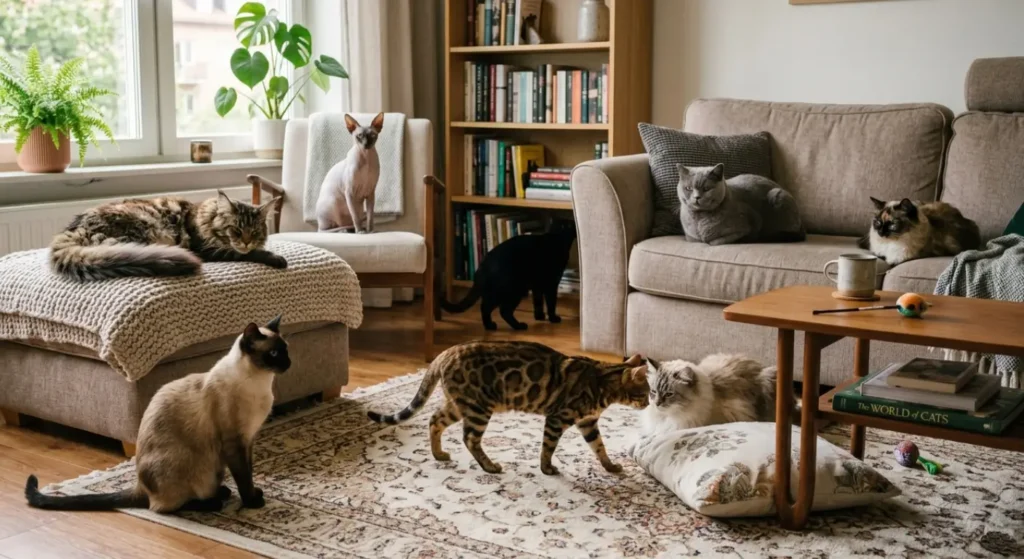
When several cats share a home, conflict often comes down to resources. The right cat tree gives each cat its own space to climb, rest, and observe, which helps them feel secure and reduces squabbles. Choose a model with multiple levels and several resting spots, and consider placing more than one around the home rather than expecting a single structure to serve everyone. For large cats specifically, one to two cats per tree is ideal unless the design is a heavy-duty, multi-level model built for a crowd.
What to Look For: A Quick Buying Guide
No matter the breed, weigh these core factors carefully before you choose a cat tree:
Size and weight rating
Match both the physical footprint and the maximum load capacity to your cat. A heavy-made cat tree prevents structural bowing and safely supports larger felines.
Stability
A wide, heavy base and optional wall anchors keep the cat tree upright. This structural integrity ensures the cat tree will not wobble or tip during high-speed leaps.
Materials
Solid wood, thick supporting posts, and premium sisal outlast thin particle board. High-quality construction guarantees your cat tree withstands years of enthusiastic daily wear.
Platform dimensions
Ensure tiers are wide enough for your specific breed to stretch and lounge comfortably. Spacious perches turn a standard cat tree into a truly functional rest zone.
Placement
Positioning your cat tree near a window or a favorite family gathering spot encourages immediate, real-world use.
Final Thoughts
Choosing among cat trees for different cat breeds comes down to honestly assessing your cat’s size, energy, and personality, then matching those traits to height, stability, materials, and comfort. A Maine Coon needs a reinforced fortress; a Singapura wants a cozy mid-height retreat; a senior cat needs gentle access. Get the match right and the cat tree becomes the favorite spot in your home, giving your cat a healthier, happier, and more enriched life for years to come.
Frequently Asked Questions About Cat Trees in the UK
1. How tall should a cat tree be for a large breed like a Maine Coon?
Aim for at least 60 inches, and ideally taller. Large breeds crave vertical territory, and a tall tree with staggered platforms gives them distinct zones to climb, perch, and nap.
2. Are cat trees worth it for different cat breeds, or is it just marketing?
They are genuinely worth it. Cat trees satisfy the instinct to climb, scratch, and survey territory, provide healthy exercise, and offer a secure retreat. Breed-specific sizing simply makes the investment pay off rather than gathering dust.
3. How do I stop my cat tree from tipping over?
Choose a model with a heavy, wide base. Use the included floor levelers on uneven surfaces, and add wall anchors for tall trees or homes with large, active cats.
4. What material is best for cat trees?
Solid wood and metal frames outperform thin particle board for durability and stability, especially for big or energetic breeds. For scratching surfaces, heavy-duty sisal lasts longest, and replaceable pads stretch the tree’s lifespan further.
5. Which cat trees are best for small or petite breeds?
Mid-height towers in the 40 to 54-inch range with cozy condos and snug perches suit small breeds like the Singapura or Devon Rex. They prefer enclosed, cradling spaces over towering open platforms.
6. How many cats can share one cat tree?
For large cats, one to two per tree is ideal unless it is a heavy-duty multi-level design. In multi-cat homes, providing several resting spots and even multiple trees reduces conflict.
7. Are standard cat trees okay for big cats?
Usually not. Most standard trees are built for cats weighing 8 to 10 pounds and can be too small or unstable for a 15-pound-plus cat, creating a tipping risk that makes the cat avoid the tree entirely.
8. What kind of cat tree is best for a senior cat?
Choose a low-to-mid tree with closely spaced steps or a gentle ramp, plus an extra-padded or ground-level bed. This lets older cats enjoy a perch without painful jumps as their joints stiffen.
9. How do I get my cat to actually use a new cat tree?
Cat trees in the UK range from around £30 for basic scratching post towers to over £300 for premium, designer cat furniture. Mid-range cat trees priced between £60 and £150 offer the best balance of quality, durability, and features for most UK households. Investing in a sturdier cat tree often saves money in the long run, as it outlasts several cheaper alternatives.
10. Are wood cat trees better than carpeted particle-board ones?
Cats can be cautious around a new cat tree because of unfamiliar scents and materials. To encourage your cat, rub a little catnip onto the platforms, place their favourite toys on the perches, or transfer a used blanket onto the cat tree. Give your cat a few days to explore at their own pace before repositioning the cat tree to a new location.