The Benefits of a Cat Tree for Your Feline Friend
If you share your home with a cat, you already know how much they love to climb, scratch, and stretch out somewhere high above the floor. A cat tree is one of the simplest ways to satisfy those hardwired instincts while keeping your pet happy and busy. In this guide we’ll walk through the real benefits of a cat tree, plus practical advice on picking, placing, and caring for one so your feline friend gets the most out of it.
What Is a Cat Tree?
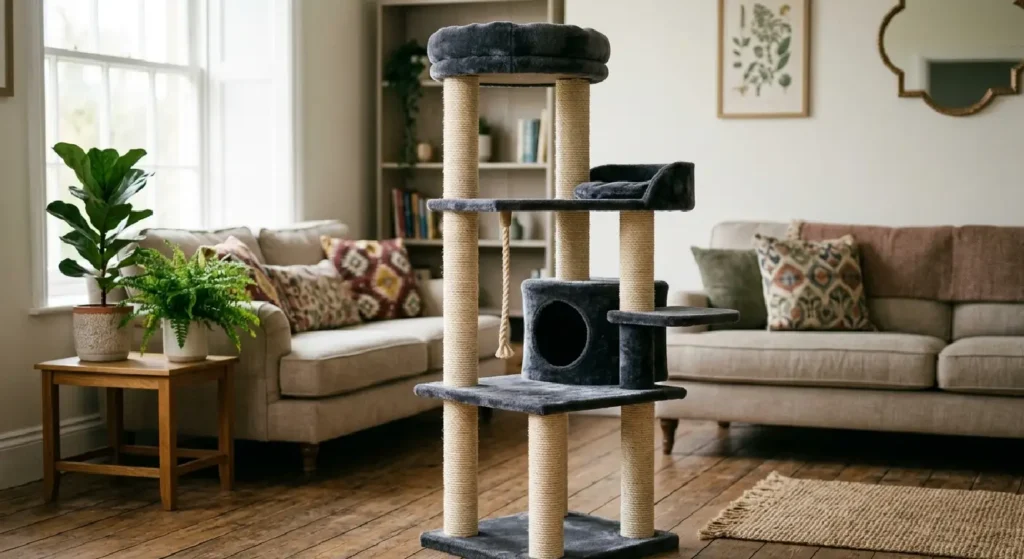
A cat tree (sometimes called a cat condo or cat tower) is a vertical structure built for cats to climb, scratch, perch, and sleep on. Most are made from sturdy materials like solid wood posts, soft carpet, and sisal rope, and they come in countless shapes and sizes to match different personalities and living spaces.
It’s easy to dismiss a cat tree as just another pet accessory, but it does far more than that. The right one supports your cat’s physical health and mental wellbeing at the same time. Below, we’ll break down exactly why this piece of furniture deserves a spot in your home.
Physical Exercise and Mental Stimulation
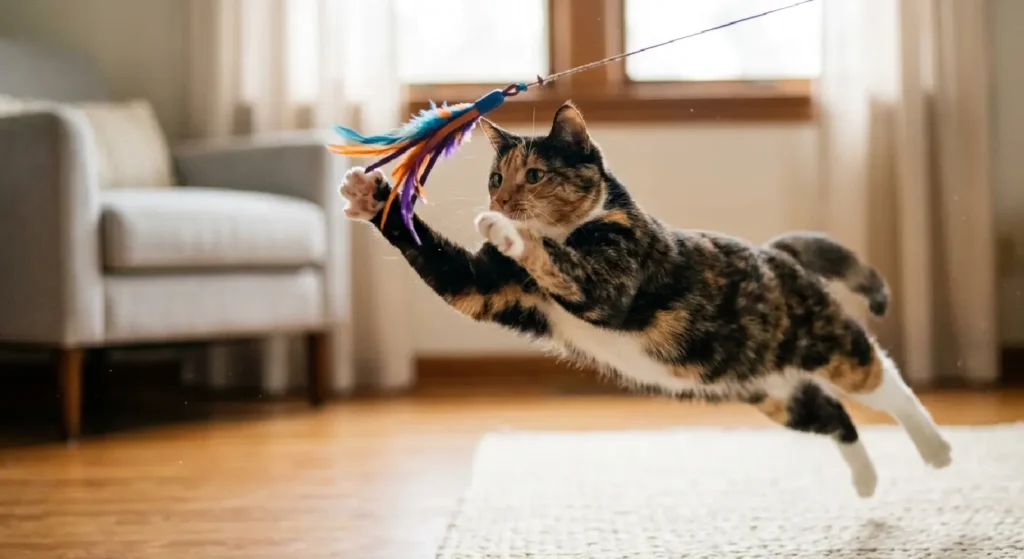
One of the biggest advantages of a cat tree is the workout it provides. Cats are natural climbers and jumpers, and the cat tree gives them a safe place to do both. Leaping between platforms and scaling the shelves keeps your cat strong, agile, and at a healthy weight, which matters most for indoor cats who don’t roam outside.
A cat tree also feeds your cat’s curious mind. Cats love to explore and investigate, and a multi-level design packed with tunnels, dangling toys, hammocks, and scratching surfaces can hold their attention for hours. That kind of enrichment helps prevent the boredom that often leads to destructive habits.
- Encourages daily physical activity and healthy weight
- Delivers mental stimulation that fights boredom
Managing Your Cat's Scratching Behavior
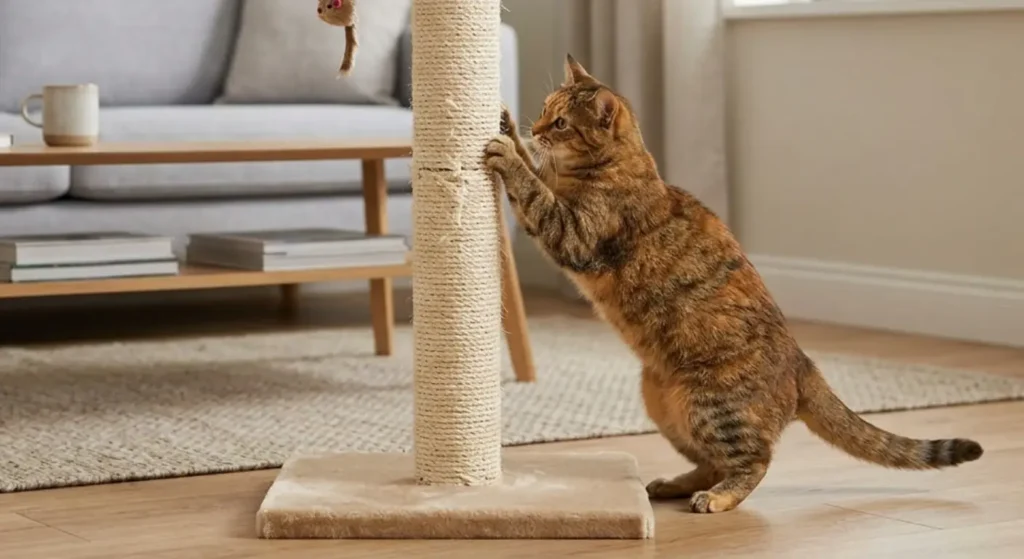
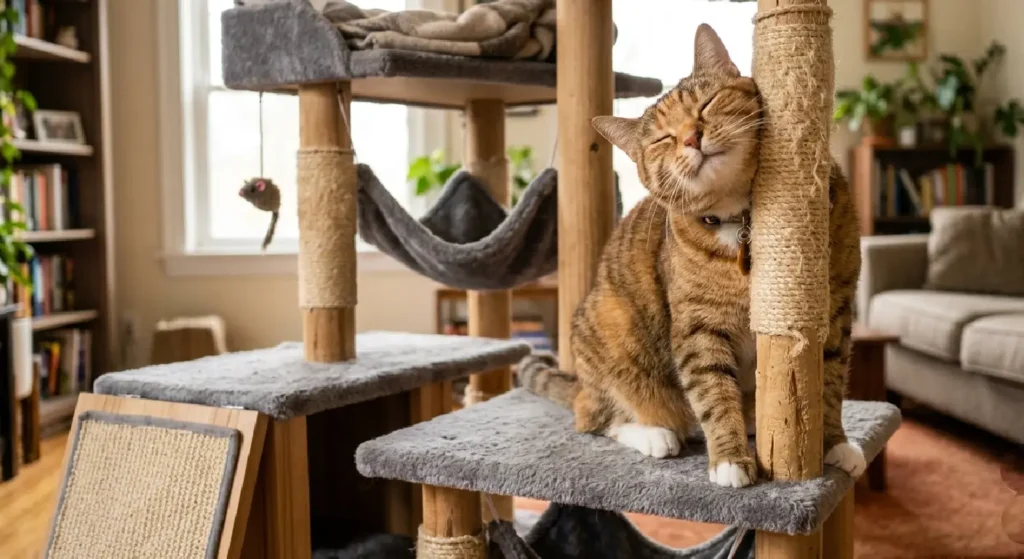
Another major benefit of a cat tree is how it channels your cat’s urge to scratch. Scratching is completely natural: it sharpens claws, stretches muscles, and leaves territorial scent marks. Without a proper outlet, though, that instinct usually ends up aimed at your sofa, carpet, or curtains.
A cat tree wrapped in sisal rope gives your cat a dedicated, satisfying place to scratch. Redirecting that behavior protects your furniture and flooring while helping your cat keep their claws in good shape.
- Gives your cat an approved place to scratch
- Shields your furniture and floors from damage
Environmental Enrichment and Territory
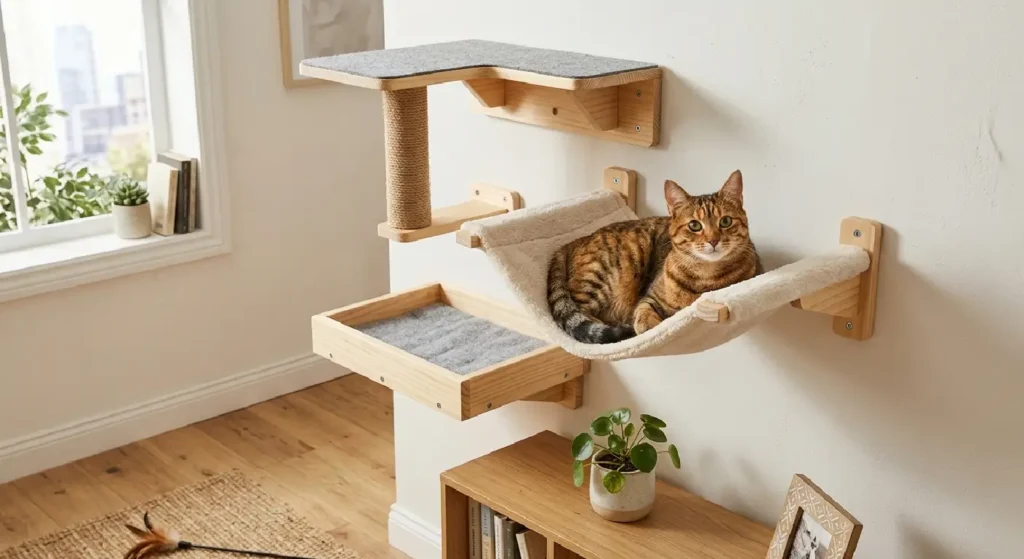
Cats are territorial by nature and feel calmest when they have a space to call their own. A tall cat tree acts as vertical territory, letting your cat survey the room from above, keep an eye on their surroundings, and feel secure on their personal perch.
A good cat tree also enriches your cat’s everyday environment by offering different textures, heights, and nooks to explore. Climbing, hiding, and lounging across the levels taps into deep natural instincts and lifts your cat’s overall sense of wellbeing.
- Creates secure vertical territory for your cat
- Adds variety and enrichment to indoor life
Stronger Bonding and Socialization
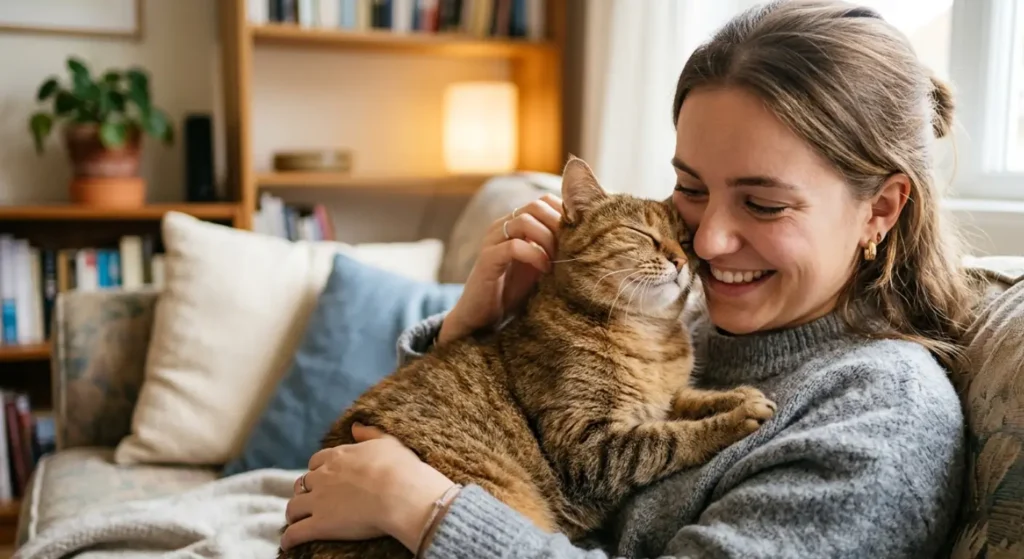
A cat tree can even deepen the relationship between you and your pet. Cats are more social than they get credit for, and the cat tree becomes a shared spot where you can play, reward, and interact together.
Tempting your cat to chase a wand toy up the platforms turns into quality bonding time. And in a multi-cat household, several levels and hideaways give each cat its own zone, easing tension and cutting down on squabbles.
- Builds connection through shared play
- Helps multiple cats coexist peacefully
The Best Placement for Your Cat Tree
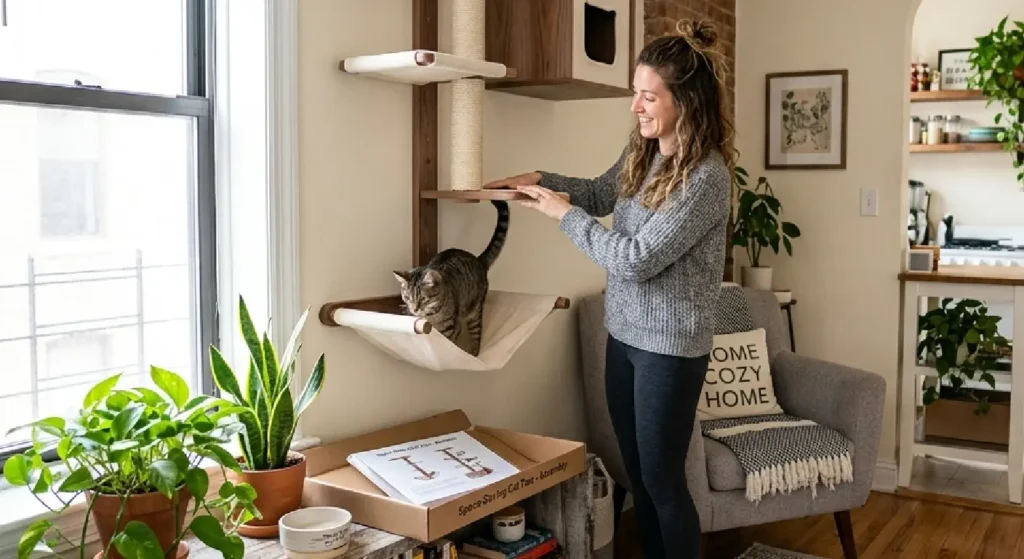
Where you put it matters almost as much as which one you choose. Cats gravitate toward spots with a good view and a sense of safety, so set the cat tree near a window where your pet can watch birds and soak up sunshine. Quiet corners with a clear line of sight to the room also tend to win cats over, since they can relax without feeling cornered. Avoid tucking it into a noisy, high-traffic hallway where your cat is likely to feel exposed.
How to Choose the Right Cat Tree
Not every cat tree suits every cat, so it pays to match the model to your pet. Consider these factors before you buy. Picking a cat tree that fits your pet’s age, size, and personality is the surest way to make sure it actually gets used:
Size and Stability
The most important factor when buying a cat tree is stability. A wobbly structure will deter even the most adventurous cat. Look for cat trees with a wide, heavy base and solid central poles. For larger cats — think Maine Coons, Ragdolls, or Norwegian Forest Cats — choose a cat tree with platforms rated for at least 10 kg each.
Height
The ideal height for a cat tree in a standard UK home is between 120 cm and 180 cm. Taller cat trees are excellent for energetic, younger cats and for homes with high ceilings. Shorter, more compact cat trees work well for senior cats, kittens, and smaller living spaces such as flats and apartments.
Materials and Durability
Quality cat trees available in the UK are typically constructed from particle board or solid wood, wrapped in sisal rope and plush fabric. Sisal is the gold standard for scratching posts because its rough texture satisfies cats’ natural claw-maintenance instincts better than carpet. Always verify that the materials are non-toxic and pet-safe before purchasing a cat tree for your home.
How to Encourage Your Cat to Use It
Sometimes a new cat tree gets ignored at first, and that’s normal. A little encouragement usually does the trick:
- Rub the posts with catnip or place a few treats on the platforms.
- Set it somewhere your cat already likes to hang out.
- Use a wand toy to guide your cat up and across the levels.
- Be patient and let your cat explore on its own terms.
With time and gentle motivation, most cats adopt the cat tree as a favorite napping and watching spot.
Benefits of a cat tree at a glance
Use this quick reference to match cat tree to the cat who will actually use it:
| Benefit | What a Cat Tree Provides | Why It Matters |
|---|---|---|
| Physical Exercise | Platforms and posts to climb, leap, and stretch on | Keeps cats fit and agile, especially indoor cats |
| Mental Stimulation | Tunnels, hideaways, and dangling toys to explore | Fights boredom and curbs destructive habits |
| Scratching Control | Sisal-wrapped posts for healthy scratching | Protects your furniture, carpets, and curtains |
| Territory & Enrichment | Elevated perches with varied textures and heights | Gives cats a secure, satisfying space of their own |
| Bonding & Socialization | A shared play space and separate levels for each cat | Strengthens your bond and eases multi-cat tension |
Maintaining and Cleaning Your Cat Tree
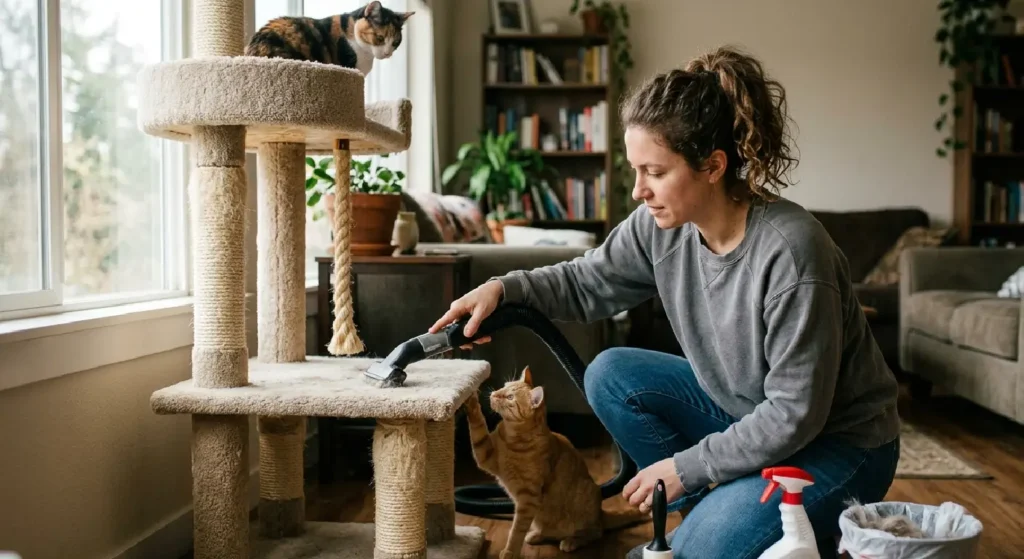
A well-kept cat tree lasts longer and stays inviting. Vacuum the platforms and posts regularly to remove loose fur, spot-clean stains with a pet-safe cleaner, and check the bolts every so often to keep everything sturdy. Replacing frayed sisal or worn-out toys now and then refreshes the cat tree and keeps your cat coming back.
Conclusion
All things considered, a cat tree is one of the smartest investments a cat owner can make. From physical exercise and mental stimulation to scratching control, territory, and stronger bonding, the benefits reach into nearly every part of your cat’s life.
Bring a well-chosen cat tree into your home and you’ll be supporting your cat’s health and happiness while honoring the instincts that make cats, well, cats. Choose a design that fits your pet’s preferences, place it thoughtfully, and keep it clean for a contented kitty. After all, a happy cat means a happy cat owner!
Frequently Asked Questions
1. Are cat trees worth the money?
Yes. A cat tree pays for itself by protecting your furniture from scratching, giving your cat daily exercise, and providing mental enrichment that supports long-term health.
2. What is the best height for a cat tree?
It depends on your pet. Active, agile cats enjoy a tall cat tree of five to six feet, while kittens and senior cats are safer with a shorter, more accessible one.
3. Where should I place my cat's tower?
Near a window or in a quiet corner with a clear view of the room. Cats love to watch their surroundings, so a sunny, low-stress spot helps your pet embrace it.
4. How do I get my cat to use a new one?
Sprinkle catnip on the posts, add treats to the platforms, and use toys to lure your cat upward. Placing it in a familiar area also speeds up acceptance.
5. Are cat trees safe for kittens?
Yes, as long as you choose a stable model with low platforms and secure construction. Supervise young kittens until they confidently climb on their own.
6. Do cats with no climbing interest still need one?
Many do. Even less active cats benefit from the scratching surfaces, cozy perches, and sense of territory the furniture provides.
7. How often should I clean a cat tree?
Vacuum it weekly to remove fur, spot-clean stains as they appear, and do a deeper cleaning every month or two depending on use.
8. Can multiple cats share one cat tree?
They can, but a larger multi-level design works best. In busy homes, adding a second one gives each cat its own space and reduces conflict.
9. What materials should I look for?
Look for solid wood or sturdy particleboard cores, sisal rope for scratching, soft plush coverings, and non-toxic, pet-safe finishes throughout.
10. When should I replace my cat tree?
Replace or repair it when posts wobble, sisal is shredded beyond use, or platforms sag. A worn structure can become unsafe and unappealing to your pet.