Why Does My Cat Ignore Their Cat Tree?
A cat tree is one of the most popular pieces of furniture a cat owner can buy. These tall, multi-level structures give your feline a place to climb, scratch, perch, and snooze. Yet plenty of owners spend good money on one only to watch their pet walk right past their cat tree. So why does this happen? In this guide, we will break down the most common reasons your cat ignores their cat tree, and we will share practical, easy fixes that turn that overlooked tower into a favorite hangout.
Your Cat Simply Isn't Interested
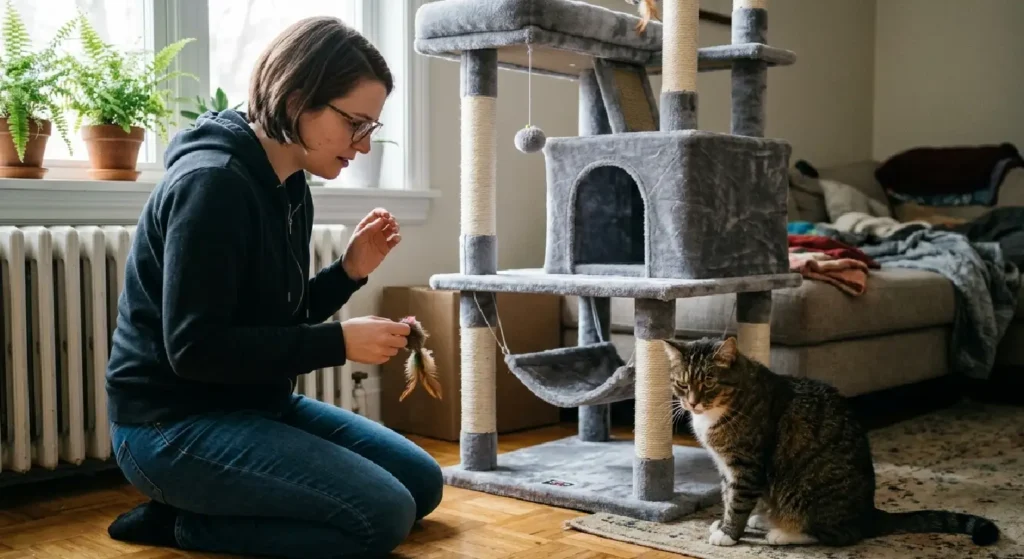
The most common reason a cat ignores their cat tree is plain disinterest. Cats are famously independent, and they often choose their own napping and lookout spots regardless of what you provide. If your cat shrugs it off, the cat tree may not feel stimulating or rewarding enough to earn their attention.
- Move the cat tree to a new location and watch whether a fresh spot sparks curiosity.
- Sprinkle catnip, hide treats, or attach toys to the platforms to make them more tempting.
- Watch your cat’s habits closely to learn what genuinely draws them in.
The Cat Tree Isn't Comfortable
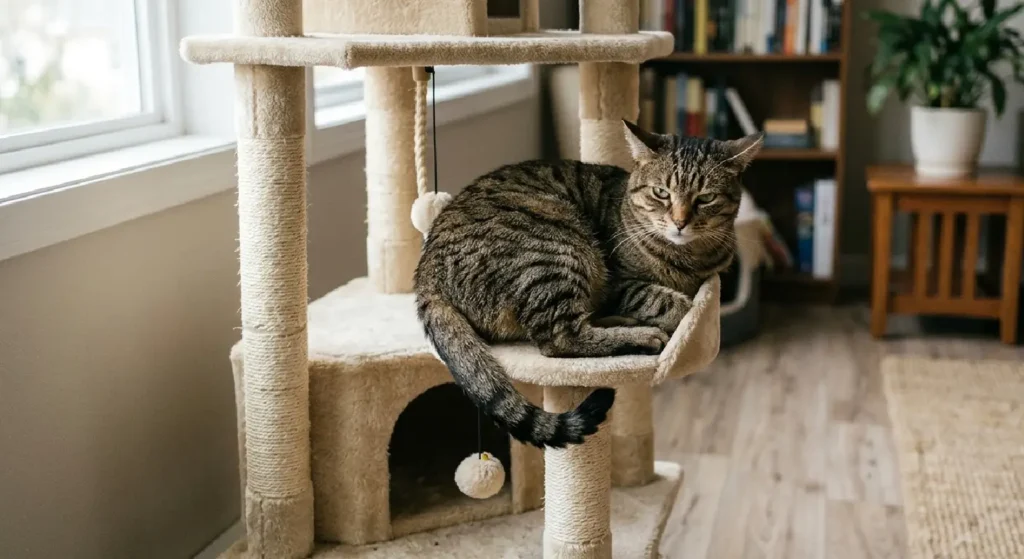
Another big reason a cat avoids their cat tree is comfort, or the lack of it. Cats gravitate toward soft, warm, cozy surfaces. If the perches feel hard, slippery, or wobbly, your pet will happily relocate to the couch instead.
- Add soft blankets, fleece pads, or cushions to the platforms.
- Make sure the cat tree is sturdy and does not sway or rock when your cat jumps on it.
- Offer a mix of cozy resting options, such as window perches and plush beds, so your feline always has a comfortable choice.
The Cat Tree Lacks Privacy
Cats are natural predators, and they crave a sense of security when they rest or survey a room. If the cat tree sits in a busy hallway or a noisy corner, your cat may feel exposed and look for a more sheltered hideaway.
- Tuck the structure into a calm, low-traffic corner where your cat can relax undisturbed.
- Pick a cat tree model with an enclosed condo or cubby so your pet can retreat when they want solitude.
- Reduce nearby stressors, such as loud appliances or constant foot traffic, that might keep your cat on edge.
Your Cat Was Never Shown How to Use It
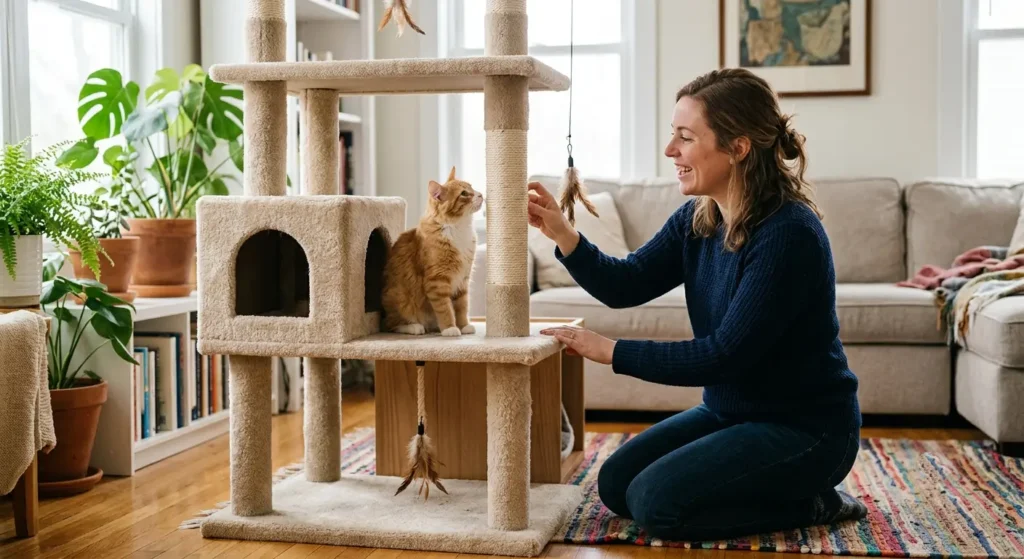
Some cats genuinely do not understand what a cat tree is for. Cats are smart, but a brand-new structure can be confusing without a little encouragement. If your pet ignores it, they may simply need an introduction.
- Lure your cat upward with treats, a wand toy, or a laser pointer to encourage exploration.
- Praise and reward your cat every time they climb or scratch in the right place.
- Stay patient and consistent, since it can take days or weeks for a cat to fully embrace new furniture.
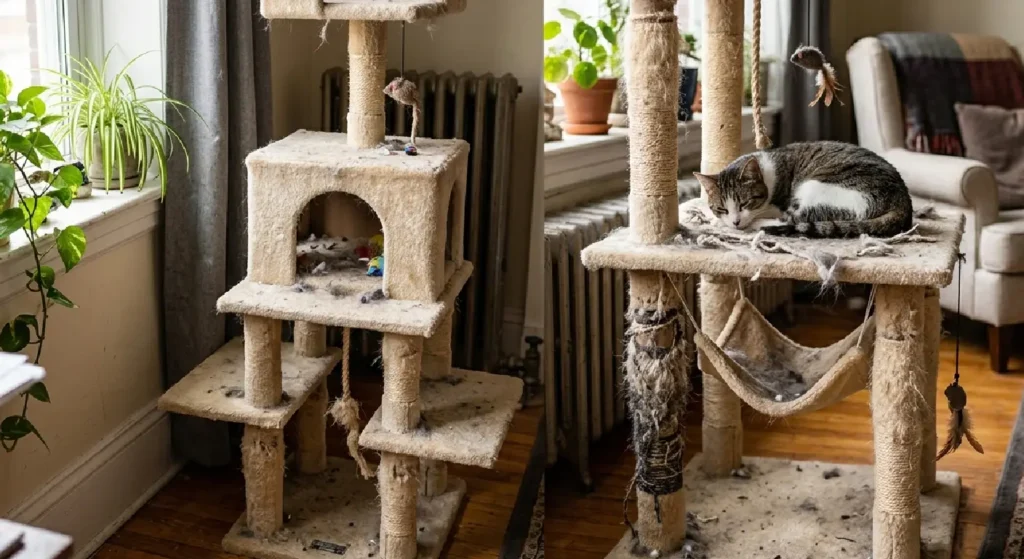
The Cat Tree Isn't Clean
Cats are natural predators, and they crave a sense of security when they rest or survey a room. If the cat tree sits in a busy hallway or a noisy corner, your cat may feel exposed and look for a more sheltered hideaway.
- Tuck the structure into a calm, low-traffic corner where your cat can relax undisturbed.
- Pick a cat tree model with an enclosed condo or cubby so your pet can retreat when they want solitude.
- Reduce nearby stressors, such as loud appliances or constant foot traffic, that might keep your cat on edge.
The Cat Tree Is in the Wrong Spot
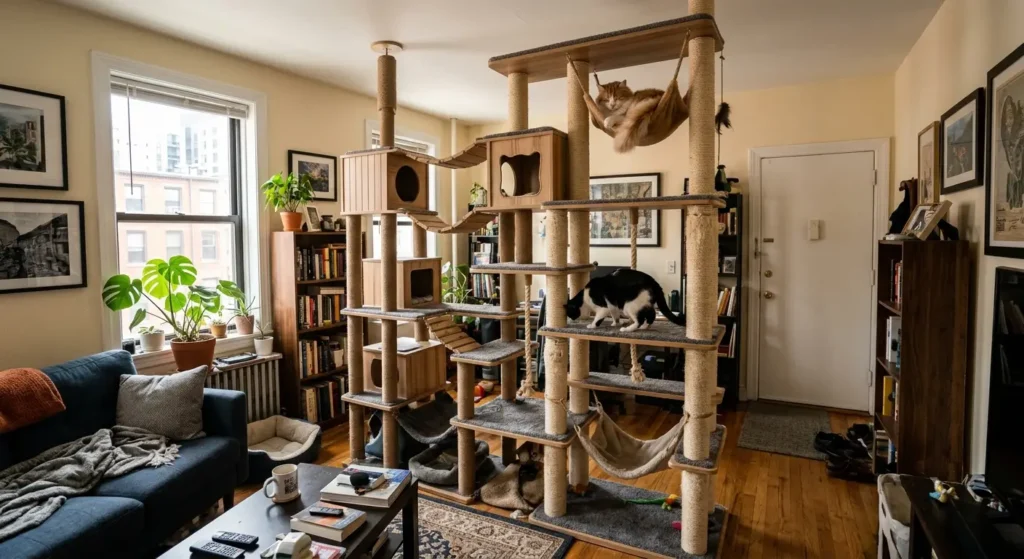
Placement makes or breaks a cat tree. Cats love to watch the world from a height, so a cat tree shoved against a blank wall in a spare room rarely gets used. The ideal location combines a good view with a feeling of safety.
- Position it near a window so your cat can watch birds, traffic, and passersby.
- Place it where your family naturally gathers, since many cats want to be close to their people.
- Avoid spots next to litter boxes or food bowls, which cats prefer to keep separate from their lounging zones.
The Size or Height Doesn't Match Your Cat
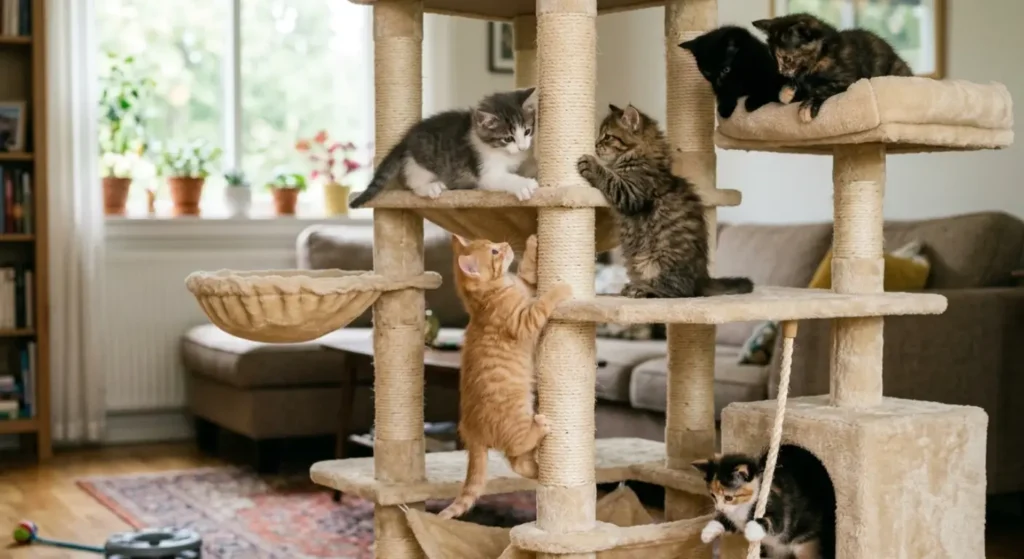
Not every cat tree fits every cat. A small kitten may be intimidated by a towering structure, while a large adult may find a flimsy, short one pointless. Matching the design to your cat’s size, age, and athleticism matters more than most owners realize.
- Choose a tall, climbable cat tree for active, agile cats that love to perch up high.
- Pick a lower, more stable cat tree for kittens, seniors, or cats with limited mobility.
- Check the weight rating so the base comfortably supports your pet without tipping or sagging.
Health, Age, or Mobility Issues
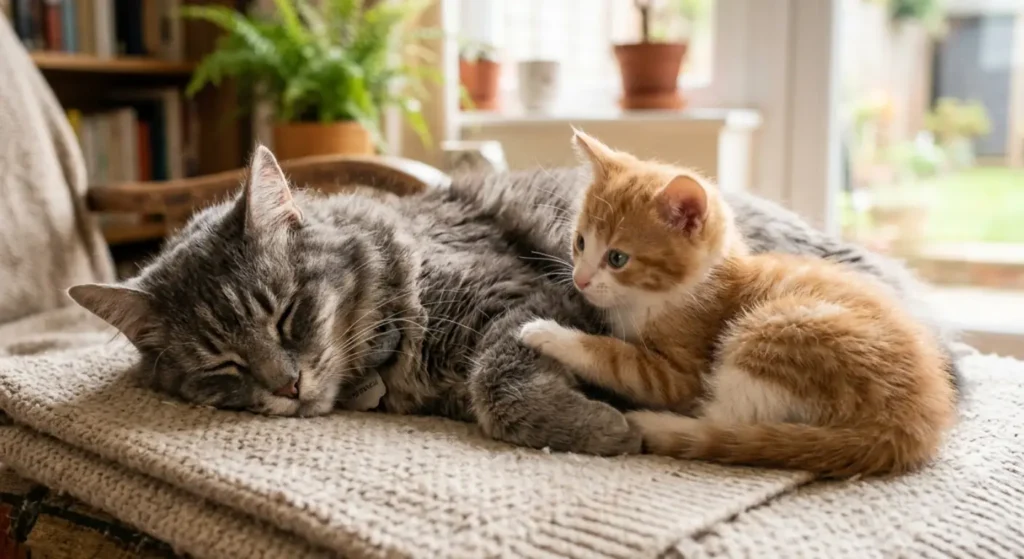
Sometimes a cat avoids their cat tree for medical reasons rather than preference. Older cats and those with joint pain, arthritis, or excess weight may struggle to reach the top. If a previously enthusiastic cat suddenly ignores their cat tree, it is worth paying attention.
- Add ramps, steps, or lower platforms so a less mobile pet can still enjoy the perches.
- Watch for signs of stiffness or hesitation when your cat approaches.
- Consult your veterinarian if you suspect pain or illness is keeping your feline on the ground.
Quick Reference: How to Prevent Fights Over Cat Trees & Territory
| Reason | Why It Happens | Quick Fix |
|---|---|---|
| Lack of interest | Independent cats often pick their own spots and don't find the tree stimulating. | Move it, and add catnip, treats, or toys to spark curiosity. |
| Not comfortable | Hard, slippery, or wobbly perches send cats to the couch instead. | Add soft pads or blankets and make sure the base is stable. |
| No privacy | A busy, noisy location makes cats feel exposed and unsafe. | Relocate to a calm corner; choose a model with an enclosed cubby. |
| Never introduced | Some cats simply don't know what the structure is for. | Lure them up with toys or treats, then praise and reward. |
| Not clean | Dust, hair, and odor turn off naturally tidy cats. | Vacuum regularly and replace worn posts or toys. |
| Wrong spot | A blank wall in a spare room offers no view and no appeal. | Place it by a window, near where the family gathers. |
| Wrong size or height | A tower can intimidate kittens or feel pointless to big cats. | Match height and weight rating to your cat's size and age. |
| Health or mobility | Arthritis, weight, or age can make climbing painful. | Add ramps or low platforms; see a vet if it's sudden. |
| Multi-cat competition | A dominant cat may guard it, so timid cats stay away. | Provide more than one climbing option to ease tension. |
| Unfamiliar smell | A new tree smells of the factory or store, not of home. | Rub their scent on it or add a worn blanket; skip strong cleaners. |
| A better spot nearby | A sunny sill, box, or your bed outranks the tree. | Place it beside the favorite spot and reward use. |
| Wrong texture | Rough sisal or hard surfaces may not suit a lounger. | Mix textures; add a soft fleece pad to the platforms. |
| Stress or change | A move, new pet, or baby can make a cat retreat. | Keep it in a steady spot; use calm routines and time. |
Competition in a Multi-Cat Household
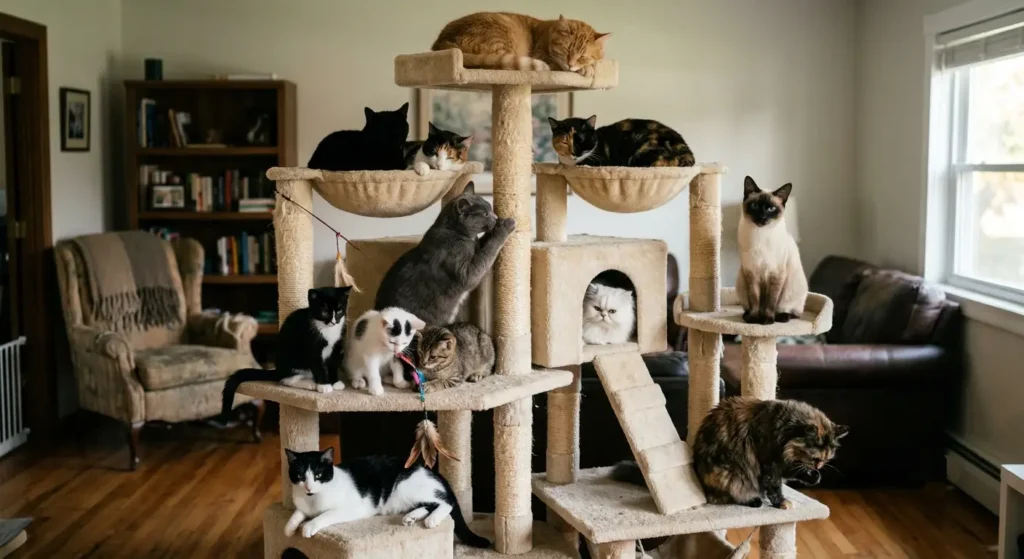
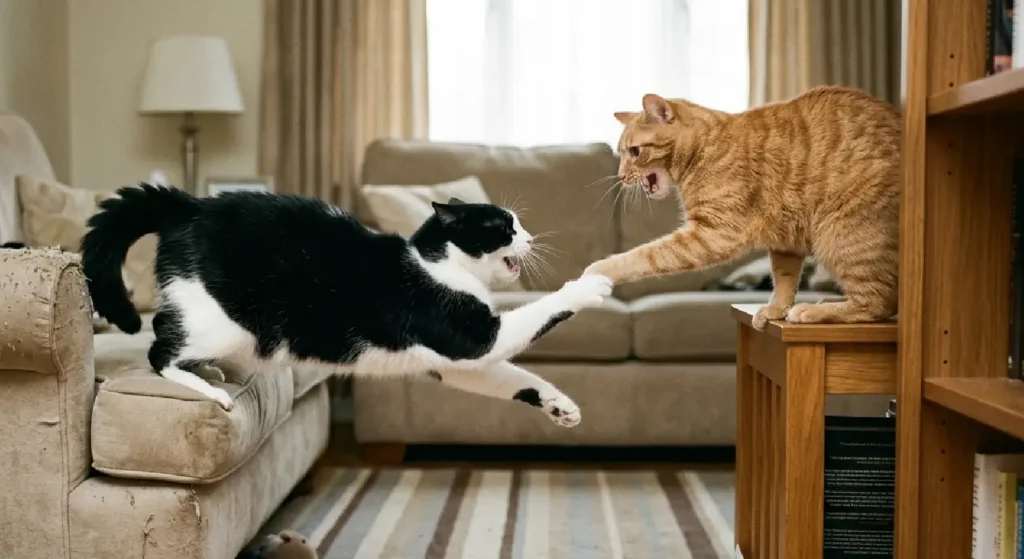
In homes with several cats, one assertive feline may “claim” the cat tree and block the others from using it. A timid cat will quietly stay away rather than risk a confrontation. Territory disputes are a frequently overlooked reason a cat tree goes unused.
- Provide more than one climbing option so each cat has a space of their own.
- Spread cozy perches around the home to ease tension over the prime spot.
- Use treats and calm playtime to build positive associations and reduce rivalry.
The Cat Tree Smells Unfamiliar
Cats rely heavily on scent, and a brand-new cat tree frequently arrives smelling of the factory, packaging, or store. Until it carries familiar, reassuring smells, your cat may treat the structure as foreign territory and keep their distance.
- Rub a soft cloth on your cat’s cheeks, then wipe it over the perches so the cat tree picks up their scent.
- Place a worn T-shirt or a used blanket on a platform to make the tower smell like home.
- Avoid scented cleaners on the cat tree, since strong fragrances can repel a sensitive nose.
Stress or Recent Changes at Home
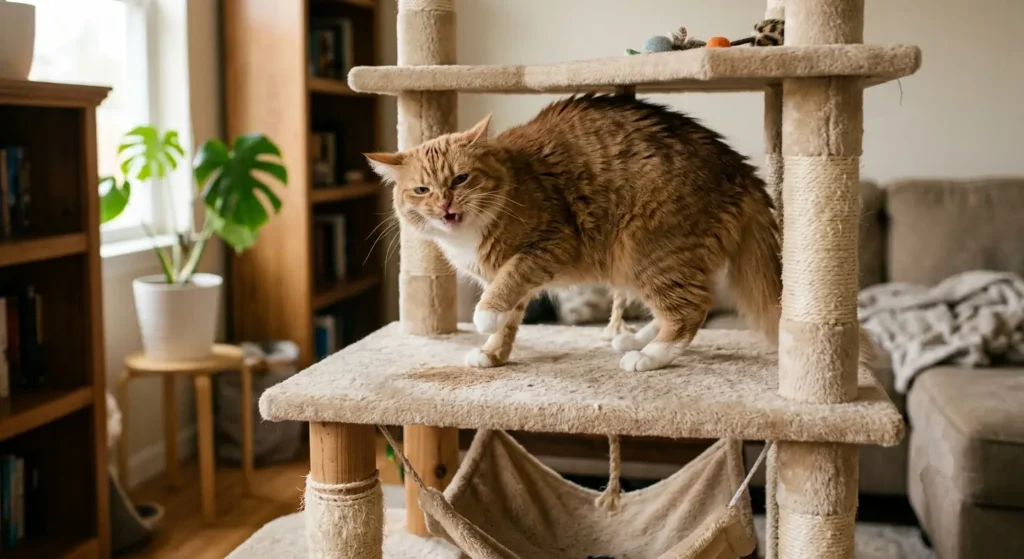
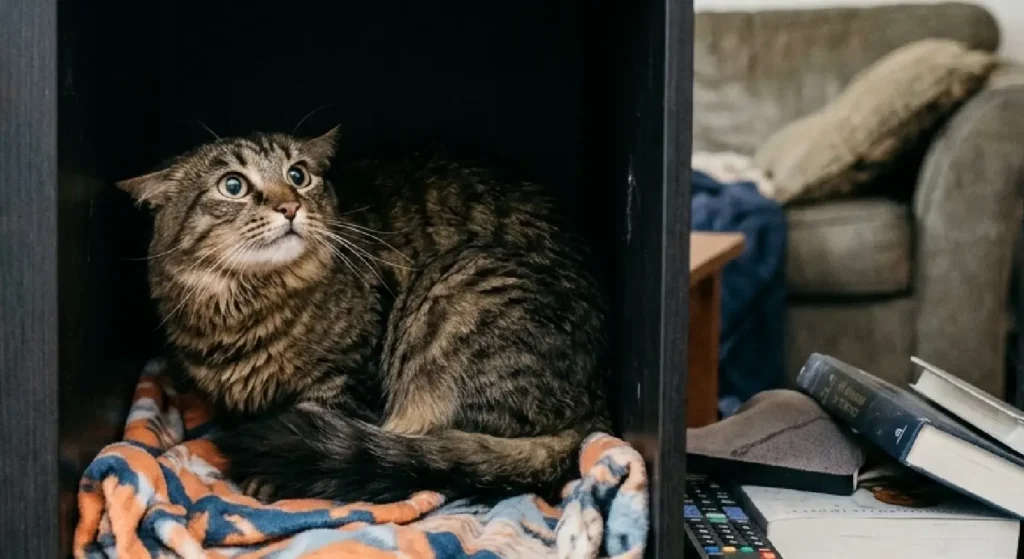
A nervous cat under stress may avoid a cat tree even when nothing is wrong with it. Moving house, a new pet, a new baby, or rearranged furniture can all make a cat retreat to safe, low hiding spots instead of an exposed perch.
- Keep the cat tree in a consistent, predictable place during stressful periods.
- Use calming aids, gentle routines, and quiet time to help your cat feel secure again.
- Be patient, since many cats return to their perch once the household settles down.
Conclusion
It can be discouraging to watch your cat ignore a cat tree you carefully picked out, but remember that every feline is an individual with their own quirks and preferences. Once you understand why your cat is steering clear, you can make targeted changes, whether that means improving comfort, adding privacy, relocating the structure, or addressing a health concern. Patience and consistency go a long way. With a few thoughtful tweaks, most cats eventually warm up to their cat tree and turn it into a beloved spot to climb, scratch, and relax, helping your feline live a happier, healthier, more enriched life.
Frequently Asked Questions About Smart Cat Trees
1. Why does my cat ignore their brand-new cat tree?
New objects can feel unfamiliar or even threatening. Give your pet time, add catnip or treats, and let them investigate at their own pace before expecting them to use it.
2. How long does it take for a cat to start using a cat tree?
It varies. Some cats claim the cat tree within hours, while shy or cautious felines may need several weeks of gentle encouragement before they feel at home on it.
3. Where is the best place to put a cat tree?
Most cats prefer a spot near a window with a view, in a room where the family spends time, and away from litter boxes and food bowls.
4. Should I use catnip to attract my cat to it?
Yes. Rubbing catnip on the posts and perches is one of the easiest ways to make the furniture more appealing, though keep in mind not all cats respond to catnip.
5. My older cat stopped climbing. What should I do?
Reduced climbing can signal arthritis or joint pain. Add ramps or lower platforms, and check with your veterinarian if your senior suddenly avoids the cat tree.
6. Can two cats share one cat tree?
They can, but a dominant pet may guard it. In multi-cat homes, providing more than one climbing option helps prevent territorial squabbles.
7. Is my tower too tall or too short?
Match the design to your cat. Agile felines love height, while kittens, seniors, and less mobile pets do better with a lower, stable cat tree.
8. How do I keep it clean and inviting?
Vacuum and wipe it regularly, remove loose fur, and replace worn scratching posts or toys so the surface stays fresh enough to attract a clean-loving cat.
9. Why does my cat sleep elsewhere instead of on the perches?
Comfort is usually the issue. Add soft bedding and make sure the cat tree is stable, since cats avoid surfaces that feel hard or wobbly.
10. What if my cat ignores it no matter what I try?
Some cats simply prefer floor-level or enclosed spaces. If nothing works, offer alternatives like window hammocks, wall shelves, or cozy hideaways that suit your cat’s natural preferences.