How High Should a Cat Tree Be?
A good cat tree is one of the smartest purchases you can make for a happy, healthy feline. It gives your cat a dedicated spot to climb, scratch, play, perch, and nap, tapping straight into the natural instincts that drive cats to scale trees and survey the world from above. Yet one question stumps almost every shopper: how high should a cat tree be? The right height makes the difference between a piece of furniture your cat ignores and a tower they treat as their personal kingdom. Below, we break down every factor that shapes the ideal height, plus practical tips to help you choose with confidence.
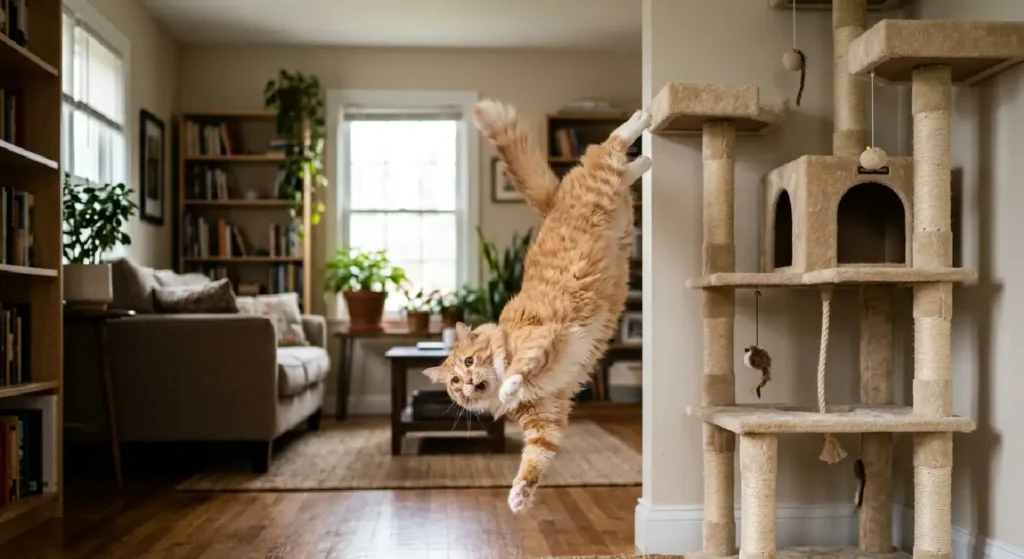
Why Do Cats Crave Height?
Before settling on a cat tree height, it helps to understand why cats gravitate upward in the first place. This instinct is wired deep into feline behavior:
- Safety and security. A raised perch lets a cat scan the room and spot anything unexpected, which eases stress and satisfies their need to feel in control of their territory.
- Exercise and agility. Climbing, leaping, and balancing keep muscles toned and joints mobile, so a well-sized cat tree doubles as a low-effort fitness station.
- Territory and scent marking. Scratching and climbing leave behind scent from glands in the paws, letting your cat stake a claim on their space.
- Mental stimulation. Moving between levels of a cat tree challenges the brain, fights boredom, and reduces the destructive habits that bored cats often develop.
Because all four of these needs reward verticality, getting the height right is about far more than looks, it is about wellbeing.
How High Should a Cat Tree Be?
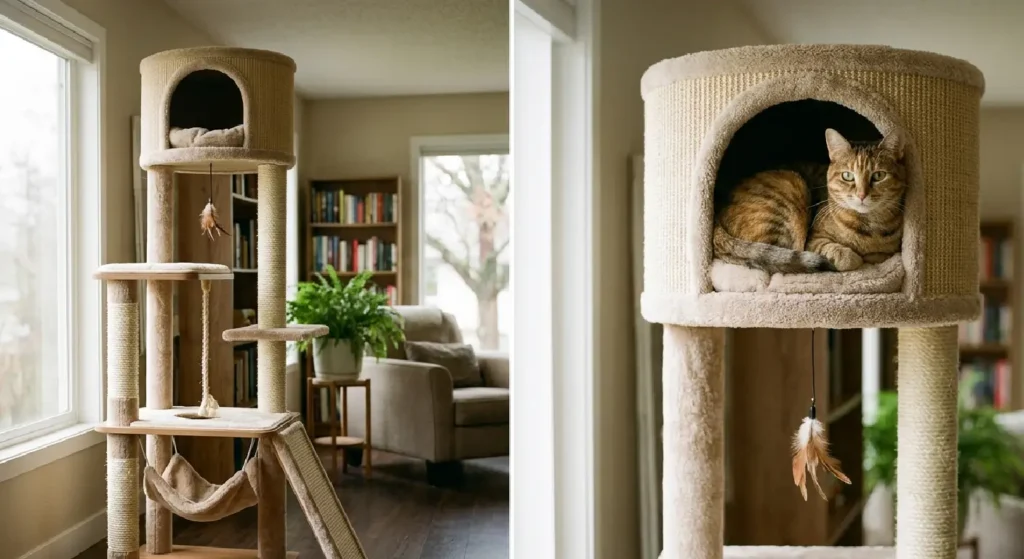
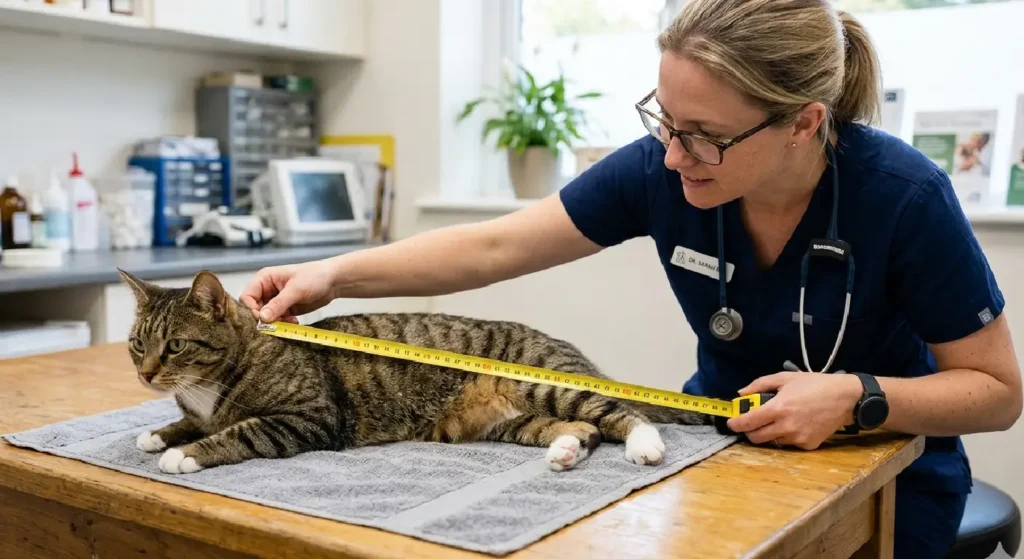
Here is the short answer: there is no single perfect number, but a reliable rule of thumb is to choose a cat tree that is at least as tall as your cat’s full body length when fully stretched out, and ideally much taller. For most adult cats, that lands a quality tree somewhere between 3 and 6 feet (roughly 90 to 180 cm).
Taller is usually better, because cats prefer to look down on their domain rather than up at it. A cat tree height of 5 to 6 feet gives a confident climber room to ascend, stretch, and survey, while a 3 to 4 foot model suits kittens, seniors, or smaller homes. The key is offering enough vertical travel that your cat can climb, jump between platforms, and stretch without feeling cramped. When in doubt, lean toward the upper end of the range your space and your cat’s mobility can support.
Factors That Determine the Right Cat Tree Height
The ideal cat tree height depends on your individual cat and your home. Weigh these factors before you buy:
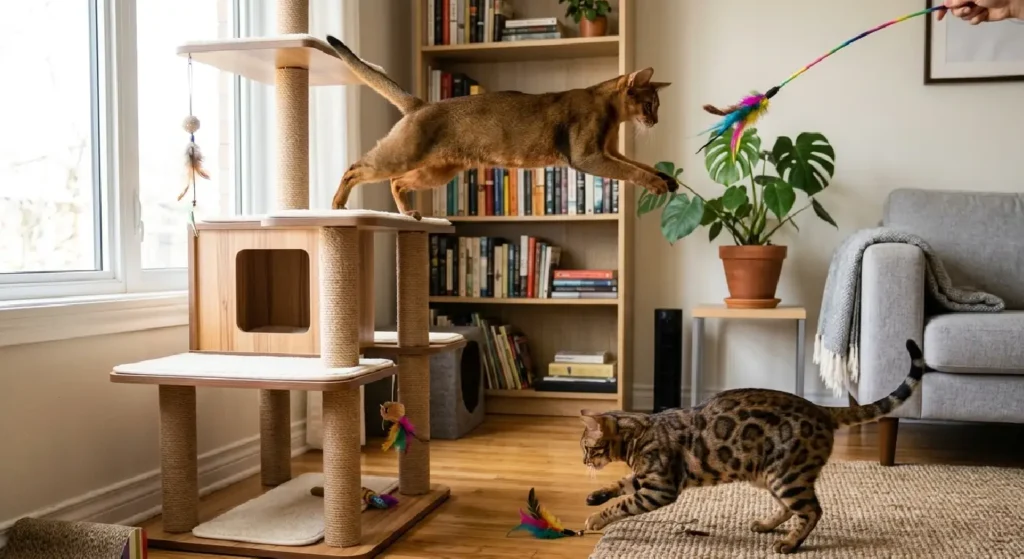
- Size and age of your cat. Large, athletic breeds love tall towers with several platforms to conquer, while older or less agile cats do better with a lower height and easy, closely spaced steps.
- Available space. Measure your ceiling height and the footprint of the spot you have in mind so the tree fits comfortably without crowding the room or scraping the ceiling.
- Number of cats. A multi-cat household generally needs a taller tree with several perches so every cat gets a level of their own and squabbling stays low.
- Placement. Cats love a view, so a tree positioned near a window or in a busy part of the home is far more appealing than one tucked into a forgotten corner.
Recommended Cat Tree Height by Cat Size and Age
Use this quick reference to match cat tree height to the cat who will actually use it:
| Cat profile | Suggested cat tree height | What to prioritize |
|---|---|---|
| Kittens | 2–3 ft (60–90 cm) | Low platforms, soft landings, gentle steps |
| Senior or arthritic cats | 2–4 ft (60–120 cm) | Wide steps, ramps, ground-level entry |
| Average adult cat | 4–5 ft (120–150 cm) | Mix of perches and a cozy hideaway |
| Large breeds (Maine Coon, Ragdoll) | 5–7 ft (150–210 cm) | Sturdy base, oversized platforms |
| Multi-cat homes | 6 ft+ (180 cm+) | Many perches at staggered heights |
Cat Tree Height for Multi-Cat Households
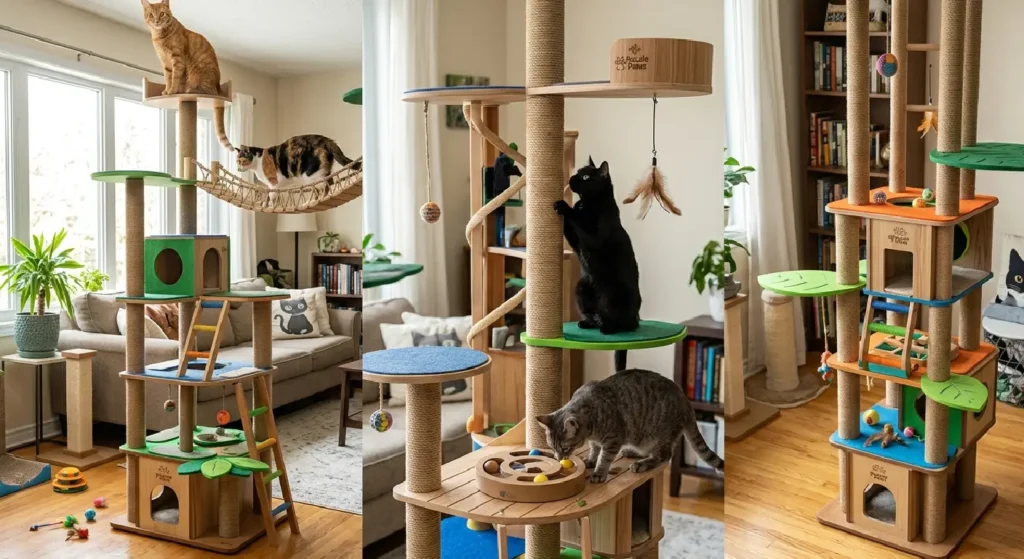
When several cats share a space, vertical territory keeps the peace. A single taller tree with platforms at staggered heights lets each cat claim a level, which reduces tension and turf disputes. As a rule, aim for at least one perch per cat, and add extra height so a lower-ranking cat can retreat upward when they want space. In busy homes, two medium trees can sometimes work better than one giant tower, since spreading out the vertical real estate gives shy cats an escape route.
Safety Considerations for a Tall Cat Tree
A greater cat tree height brings more fun but also more responsibility. A tall tower that wobbles is a tower your cat will avoid, or worse, one that topples mid-leap. Keep these safety points front of mind:
- Stable base. The taller the cat tree, the wider and heavier the base should be. Look for a low center of gravity and a broad footprint.
- Wall anchoring. Many tall models include a strap or bracket to secure the top to a wall stud. Use it, especially with energetic jumpers or in earthquake-prone areas.
- Sturdy materials. Solid posts, thick platforms, and quality fasteners prevent the sway that scares cats off a high perch.
- Soft landing zone. Avoid placing a tall cat tree on slippery floors or beside hard furniture edges where a missed jump could cause injury.
Factors That Determine the Right Cat Tree Height
The ideal cat tree height depends on your individual cat and your home. Weigh these factors before you buy:
- Size and age of your cat. Large, athletic breeds love tall towers with several platforms to conquer, while older or less agile cats do better with a lower height and easy, closely spaced steps.
- Available space. Measure your ceiling height and the footprint of the spot you have in mind so the tree fits comfortably without crowding the room or scraping the ceiling.
- Number of cats. A multi-cat household generally needs a taller tree with several perches so every cat gets a level of their own and squabbling stays low.
- Placement. Cats love a view, so a tree positioned near a window or in a busy part of the home is far more appealing than one tucked into a forgotten corner.
The Best Placement for Your Cat Tree
Where you put the tree influences how much your cat values its height. A window-side spot turns any tree into prime entertainment, letting your cat watch birds, traffic, and weather for hours. Quiet enough to nap but social enough to stay connected to the household is the sweet spot. Avoid cramming a tall tree against a low-ceilinged nook where the top perch loses its commanding view, since that defeats the purpose of the height you paid for.
DIY vs Store-Bought: Getting Cat Tree Height Right
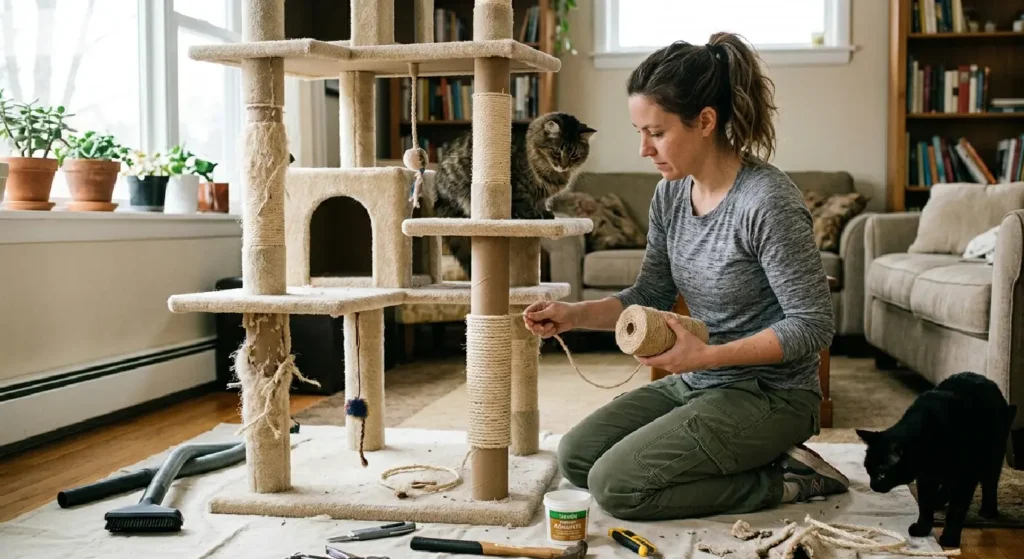
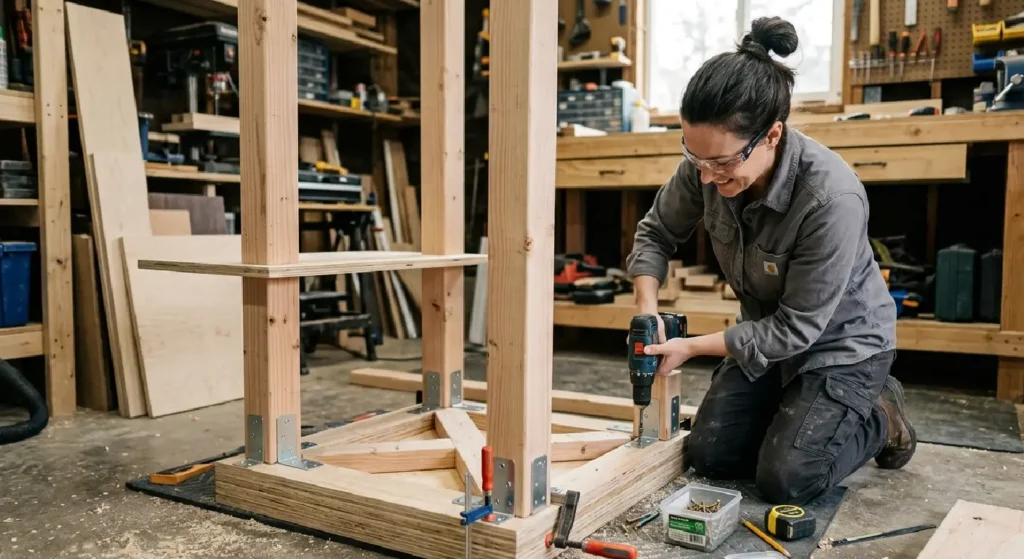
Building your own cat tree gives you total control over height and layout, letting you tailor every platform to your cat’s exact reach and your ceiling’s limits. Store-bought trees, on the other hand, arrive pre-engineered for stability, which matters most at greater heights. Whichever route you choose, prioritize a heavy base and secure joints, then layer in platforms, scratching posts, and a hideaway. The goal is the same either way: a stable height that invites your cat to climb every single day.
Conclusion
Choosing the right cat tree height is a small decision with a big payoff for your cat’s physical and mental wellbeing. By weighing your cat’s size, age, agility, and your available space, you can land on a height that lets your feline climb, stretch, perch, and nap exactly the way nature intended. Start with the rule of thumb, aim a little taller when you safely can, and watch how your cat uses the tree. A few small adjustments to height or placement can turn a good cat tree into your cat’s favorite spot in the entire home, a safe, stimulating perch that honors their instinct to rise above it all.
Frequently Asked Questions About Cat Tree Height
1. How high should a cat tree be for an average adult cat?
Most adult cats are happiest with a cat tree height of 4 to 5 feet (120–150 cm). This gives enough vertical space to climb, jump, and survey the room while staying stable and easy to fit in a typical living space.
2. Can a cat tree be too tall?
Yes. A cat tree that is too tall for its base can wobble or tip, which scares cats off and risks injury. If you want extra height, choose a model with a wide, heavy base and anchor the top to a wall.
3. What cat tree height is best for kittens?
Kittens do best with a lower cat tree height of 2 to 3 feet, with closely spaced platforms and soft landings. As they grow more coordinated, you can upgrade to a taller tree.
4. How tall should a cat tree be for a Maine Coon or other large breed?
Large breeds benefit from a cat tree height of 5 to 7 feet, paired with oversized platforms and a very sturdy base to support their weight and length comfortably.
5. Do older cats need a shorter cat tree?
Often, yes. Senior or arthritic cats usually prefer a cat tree height of 2 to 4 feet with wide steps, ramps, or ground-level entry so they can climb without straining their joints.
6. Should a cat tree reach the ceiling?
It does not need to. Floor-to-ceiling cat trees are popular and stable because the ceiling braces the top, but a free-standing tree with a solid base works just as well, as long as the tree height suits your cat and room.
7. How do I measure the right cat tree height for my cat?
A simple guide is to make sure the tree is at least as tall as your cat’s full body length when stretched out, then go taller if your space and your cat’s agility allow.
8. Is a taller cat tree always better?
Not always. Taller suits confident, athletic cats, but kittens, seniors, and small spaces call for a more modest cat tree height. The best choice matches your specific cat rather than chasing maximum height.
9. How many perches should a tall cat tree have?
Aim for at least one perch per cat in your home, spaced at staggered heights. In multi-cat households, extra perches and added height help prevent territorial squabbles.
10. Where should I place a tall cat tree?
Near a window or in a sociable part of the home is ideal, so your cat can enjoy the view the height it provides. Keep it away from slippery floors and hard edges for safe landings.