Cat Hammocks vs. Traditional Beds: Which is Better?
end up weighing cat hammocks against traditional beds, and both choices bring real strengths to the table. The right pick depends on your home, your budget, and the personality of the cat curled up beside you. In this guide, we break down how cat hammocks compare with classic beds so you can decide with confidence.
Some cats crave height and a swaying perch, while others want a soft, walled-in nest they can disappear into. Understanding those instincts is the first step toward a happy, well-rested pet.
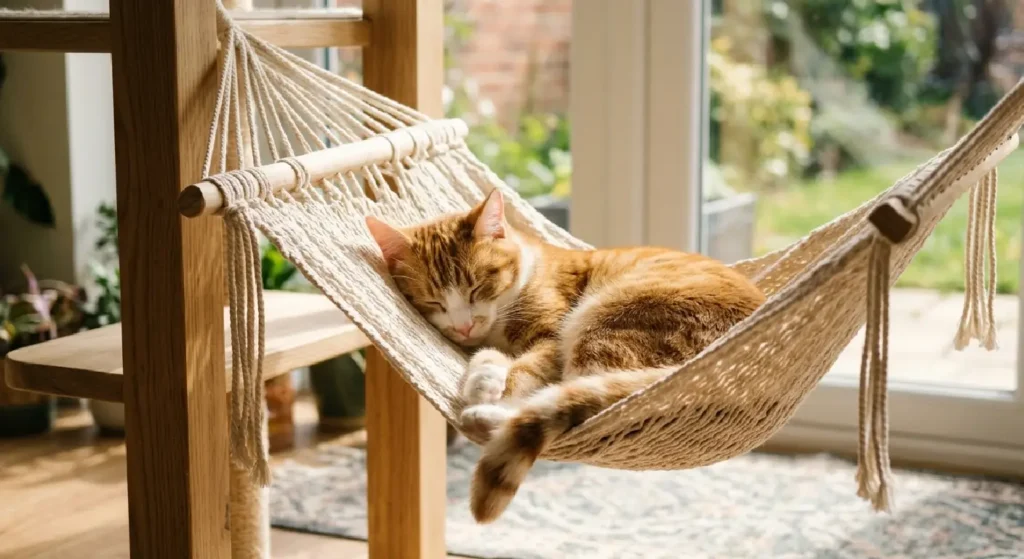
Why Cat Hammocks Have Become So Popular
Over the past few years, cat hammocks have moved from a niche novelty to a mainstream favorite. The appeal is easy to understand once you see one in use.
- Space-saving design: Hammocks can mount to walls, windows, radiators, or the underside of furniture, which frees up valuable floor space in small apartments.
- Soothing motion: The gentle sway mimics being cradled, helping anxious or restless cats settle down and sleep more deeply.
- Cozy warmth: Most hammocks use plush, insulating fabric that traps body heat, giving your cat a warm pocket to nestle into.
- A better view: Cats are natural watchers, and an elevated perch hands them a front-row seat to the whole room or the world outside a window.
For cats that love to climb, a hammock turns ordinary nap time into a small adventure.
The Strengths of Traditional Beds
Traditional beds have earned their place in homes for good reason. They remain a dependable, comforting choice for a wide range of cats.
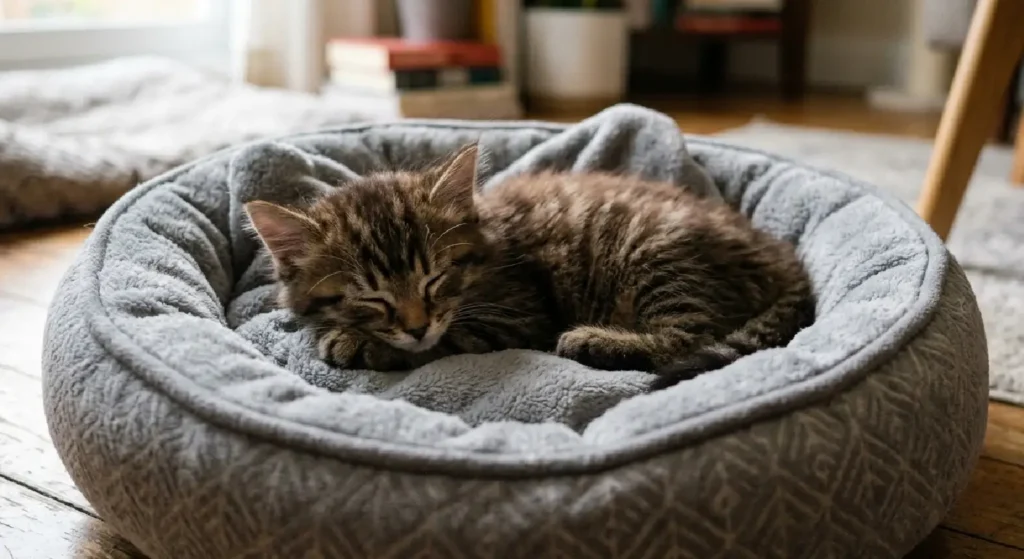
- Joint support: A firm, padded base cushions aging joints far better than a suspended sling, making traditional beds kinder to senior or arthritic cats.
- A sense of security: Bolstered or enclosed traditional beds give shy cats a den-like hideaway where they feel protected.
- Long-lasting build: Sturdy stitching and washable covers help traditional beds survive years of kneading, scratching, and cleaning.
- Endless variety: From donut shapes to cave styles, traditional beds come in countless designs to suit any cat and any decor.
If your cat prefers to burrow rather than perch, a classic bed usually wins.
Why the Right Cat Supplies Matter
Here is how the two options measure up across the factors owners care about most.
| Factor | Cat Hammocks | Traditional Beds |
|---|---|---|
| Space use | Excellent for tight spaces; mounts off the floor | Takes up floor or furniture space |
| Comfort style | Gentle rocking, breezy and airy | Plush, padded, and still |
| Joint support | Limited for stiff or older cats | Strong support for sore joints |
| Security feel | More open and exposed | Cozy, enclosed, and private |
| Entertainment | High perch with great views | Calm, grounded resting spot |
| Best suited for | Active climbers and watchers | Burrowers, kittens, and seniors |
As the table shows, neither option is universally better. Hammocks shine on space and stimulation, while traditional beds lead on support and seclusion.
Materials, Cleaning, and Everyday Maintenance
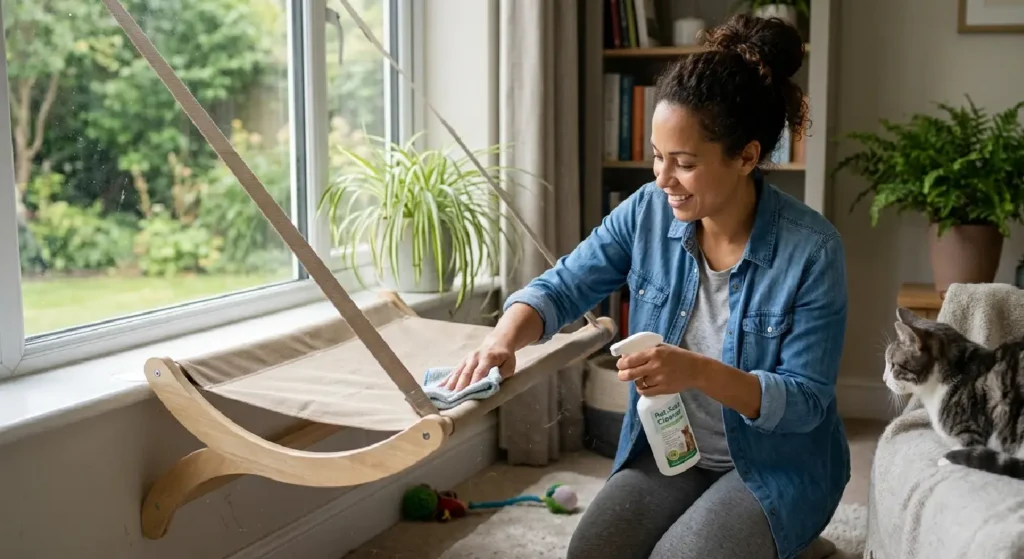
Upkeep matters more than many shoppers expect. Hammocks are usually quick to detach and toss in the wash, and their open shape dries fast. The frames or mounting hardware, though, need an occasional safety check to confirm everything stays secure.
Traditional beds often feature removable, machine-washable covers, but the thicker padding can take longer to dry. Look for chew-resistant fabric and reinforced seams in either option, since durable materials save money over time and keep your cat safe from loose threads.
Placement Tips for the Perfect Resting Spot
Where you put the bed can matter as much as the bed itself. Hammocks belong near a sunny window or a busy room, where the view and warmth reward your cat for using them. Mount them at a height your cat can reach comfortably, and keep the hardware away from cords or fragile shelves.
Traditional beds work best in quiet, low-traffic corners where a nervous cat can relax undisturbed. Try positioning one near a radiator or a soft patch of sunlight, and avoid drafty doorways. Many households keep both: a hammock for daytime watching and a bed for deep, undisturbed sleep.
Cost and Long-Term Value
Price spans a wide range for both styles. Basic hammocks tend to be affordable, though sturdy wall-mounted models with quality brackets cost more. Traditional beds run from budget donut cushions to premium orthopedic designs aimed at older cats.
When you weigh value, factor in lifespan, not just the sticker price. A well-built bed that survives years of use often beats a cheap option you must replace every season. For many owners, owning one of each delivers the best return, covering every mood and stage of a cat’s life.
Conclusion: Which Should You Choose?
There is no single right answer in the cat hammocks vs. traditional beds debate. The best choice flows from your cat’s habits, age, and personality, plus the space you have at home.
Active climbers who love a view often gravitate to cat hammocks, while burrowers and seniors usually settle happily into a plush traditional bed. The smartest move for many homes is to provide both and let your cat choose its favorite. Whatever you decide, the goal stays the same: a safe, snug, and welcoming place where your feline friend can rest and recharge.
Frequently Asked Questions
1. Are cat hammocks safe for all cats?
Cat hammocks are safe for most healthy, agile cats when properly installed. For kittens, very old cats, or pets with mobility issues, a low and stable traditional bed is the safer pick.
2. Do cats actually like cat hammocks?
Many cats love them. The gentle sway, warm fabric, and elevated view appeal to a cat’s instinct to perch and watch, though some cats simply prefer the enclosed feel of a traditional bed.
3. Are cat hammocks better than traditional beds for small apartments?
Yes, in most cases. Because they mount off the floor, they free up space that a traditional bed would otherwise occupy, making them ideal for compact homes.
4. Can older cats use cat hammocks?
They can, but stiff or arthritic seniors often struggle with the jump and the unstable surface. A supportive traditional bed is usually gentler on aging joints.
5. How do I get my cat to use a new bed or hammock?
Place it in a favorite sleeping area, add a familiar blanket, and try a sprinkle of catnip. Patience helps, since cats explore new resting spots on their own schedule.
6. Are cat hammocks easy to clean?
Generally yes. Most hammocks detach quickly and are machine washable, and their open design dries faster than the thick padding found in many traditional beds.
7. Which is more durable, a hammock or a traditional bed?
Traditional beds often win on raw durability thanks to sturdy materials, but high-quality hammocks with strong fabric and secure hardware can last for years too.
8. Should I buy both a hammock and a traditional bed?
For many households, yes. Offering both gives your cat a perch for daytime watching and a cozy nest for deep sleep, covering every mood and season.
9. Where is the best place to install cat hammocks?
Near a sunny window or a lively room is ideal, mounted at a height your cat can reach easily and away from cords, fragile items, or drafty spots.
10. Are cat hammocks worth the money?
For climbers and watchers, hammocks deliver strong value by saving space and adding enrichment. For burrowers and seniors, a traditional bed may be the smarter investment.