Wall-Mounted Cat Shelves vs. Traditional Cat Trees
Every cat owner wants to give their feline a home that keeps them engaged, active, and content. A big part of building that enriching indoor space comes down to one decision: should you invest in a traditional cat tree, or mount a set of cat shelves on your wall? Both choices have real strengths and a few trade-offs, so understanding how they differ will help you pick the setup that fits your pet and your home.
This guide breaks down the cat tree versus cat shelves debate in detail, covering cost, installation, safety, maintenance, and which felines benefit most from each option.
Why Vertical Space Matters to Cats
Before comparing products, it helps to understand why height is so important. Cats are natural climbers who feel safest when they can survey their surroundings from above. In the wild, elevated perches let them spot prey and avoid threats. Indoors, that same instinct drives them to seek out the top of the fridge or the back of the couch. Both trees and wall-mounted shelves answer this instinct by giving your pet vertical territory to explore, which reduces stress and boredom.
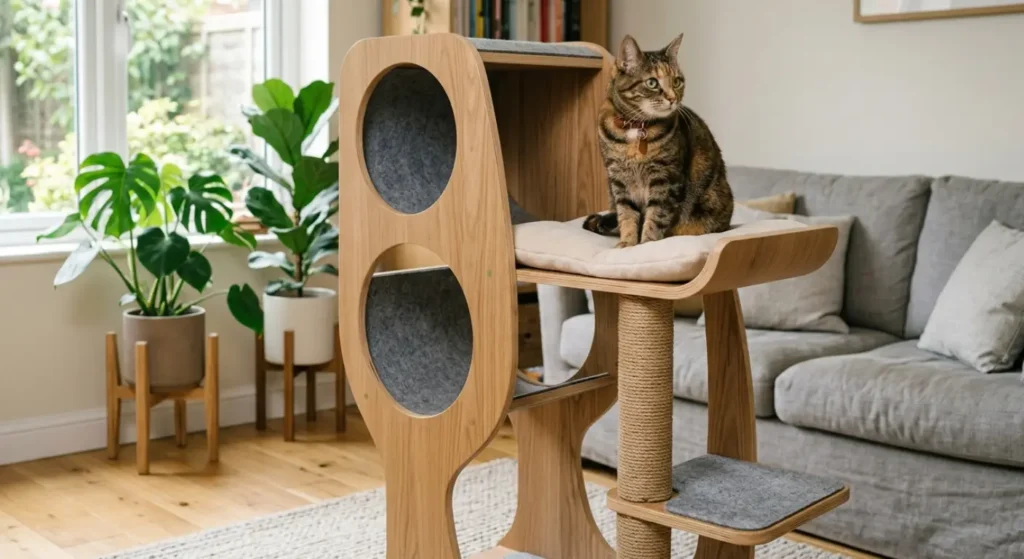
Traditional Cat Trees
Every cat owner wants to keep their feline companion happy, active, and safe. When shopping for the perfect scratching and climbing solution, traditional cat trees remain the absolute gold standard for pet parents. These classic structures offer everything a modern kitty needs to thrive indoors.
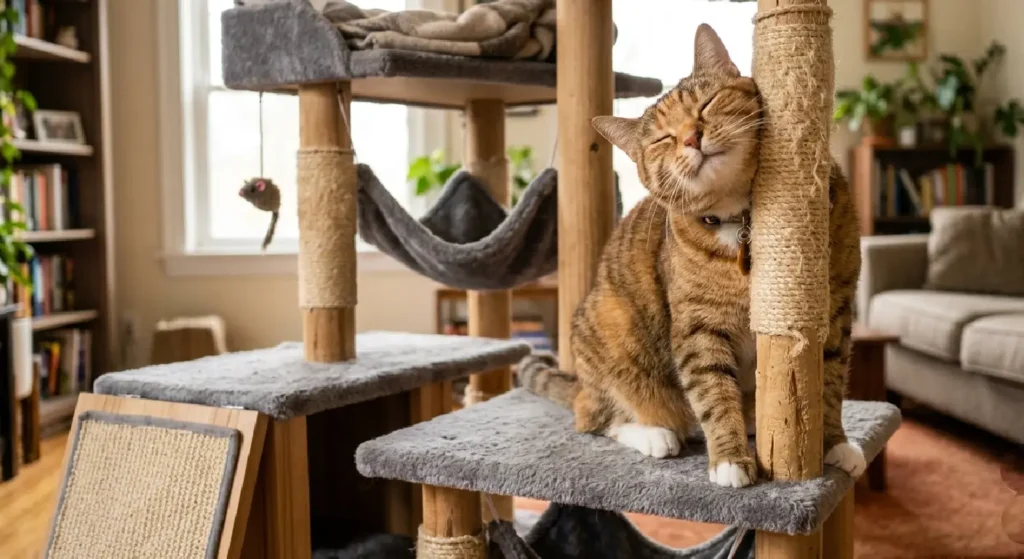
The Advantages
Cat trees are a long-standing favorite for good reason. They deliver generous height, letting your cat climb and perch to satisfy that deep urge to watch over their territory. Many models include built-in scratching posts, which protects your sofa from claw damage. Plenty of trees also feature enclosed cubbies and hideaways where a cat can nap or retreat for quiet time. On top of that, the climbing, leaping, and play a sturdy tree encourages help your cat stay fit and maintain a healthy weight.
The Drawbacks
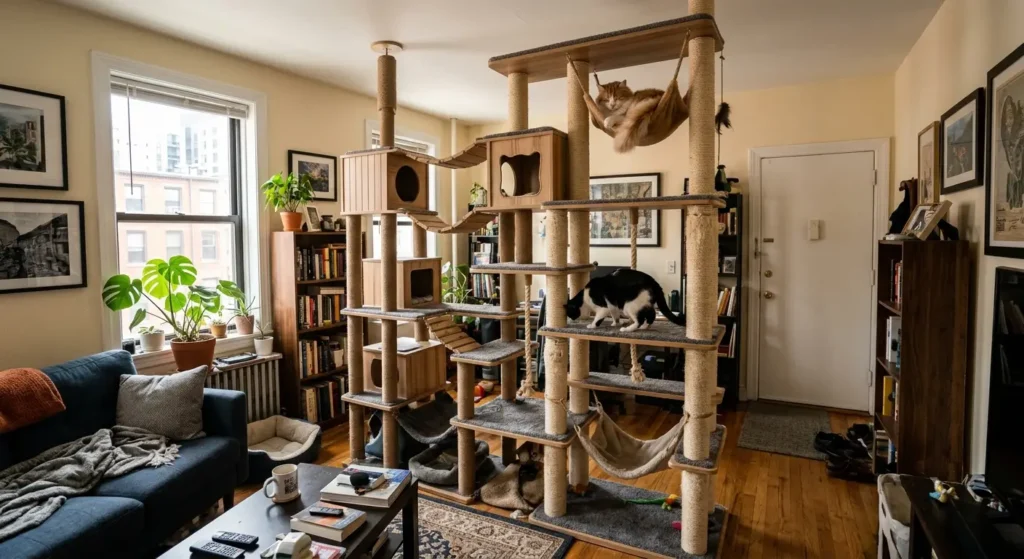
The biggest downside is the footprint. A full-size tree eats up a noticeable chunk of floor space, which can be a problem in compact apartments. Stability varies between brands, and a wobbly base can become a hazard for an energetic climber. Style is another sticking point, since some trees clash with carefully chosen decor. Finally, trees wear out over time, so worn carpet and frayed rope eventually mean buying a replacement.

Cost Comparison
Budget often tips the scales. A basic cat tree can cost as little as a modest dinner out, while large, premium towers climb into a much higher price range. Wall units are usually sold individually or in small sets, so a simple two-board setup may be cheaper than a tree, but a full wall of shelves with ramps and perches can match or exceed the cost of a high-end tower. Factor in mounting hardware too, since quality brackets and screws add to the total. The smart move is to map out how many shelves you actually need before buying, rather than impulse-grabbing a single piece.
Wall-Mounted Cat Shelves
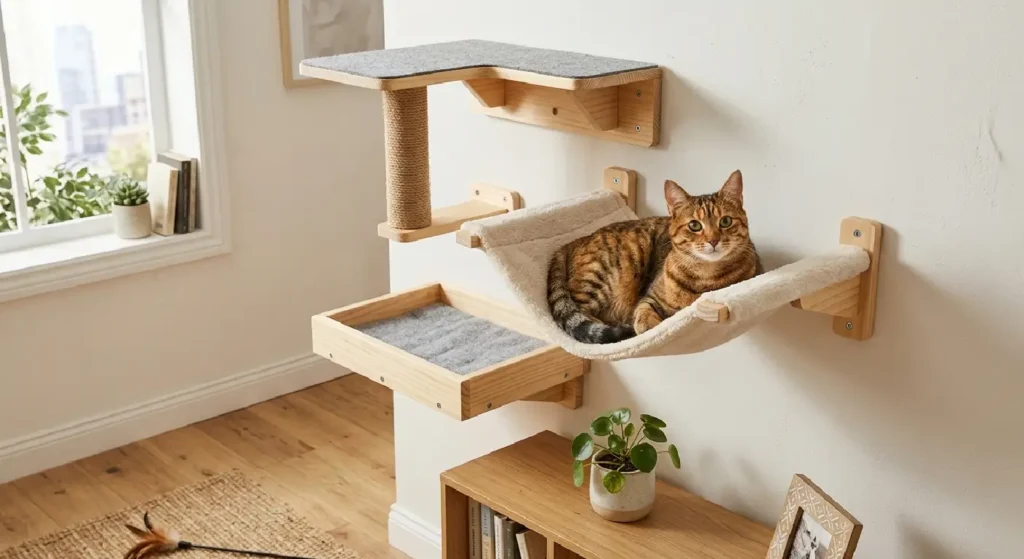
Cats possess an innate instinct to climb and observe their kingdom from above. Introducing wall mounted cat shelves into your home is the perfect way to satisfy this natural urge without sacrificing your floor space. These elevated platforms transform empty vertical spaces into an exciting playground for your adventurous pet.
The Advantages
Cat shelves shine in homes where floor space is precious. Because they use vertical wall area instead of taking up the ground, these shelves free up your living space while still giving your pet plenty of room to climb. They are also highly customizable: you can arrange them into a personalized climbing route tailored to how your cat moves. Many designs look genuinely attractive, blending into modern interiors so the boards feel like part of your decor rather than an eyesore. And when they are anchored correctly, wall-mounted cat shelves tend to be more stable than a freestanding tree, lowering the chance of tipping accidents.
The Drawbacks
Installation is the main hurdle. Putting up wall shelves usually means drilling into studs or drywall, which not every renter or homeowner wants to tackle. Mounted platforms also offer fewer cozy hideaways than a tree, since open boards do not provide the same enclosed nooks. And because they reward climbing, cat shelves are not the perfect fit for older or less agile cats who prefer to stay closer to the ground.
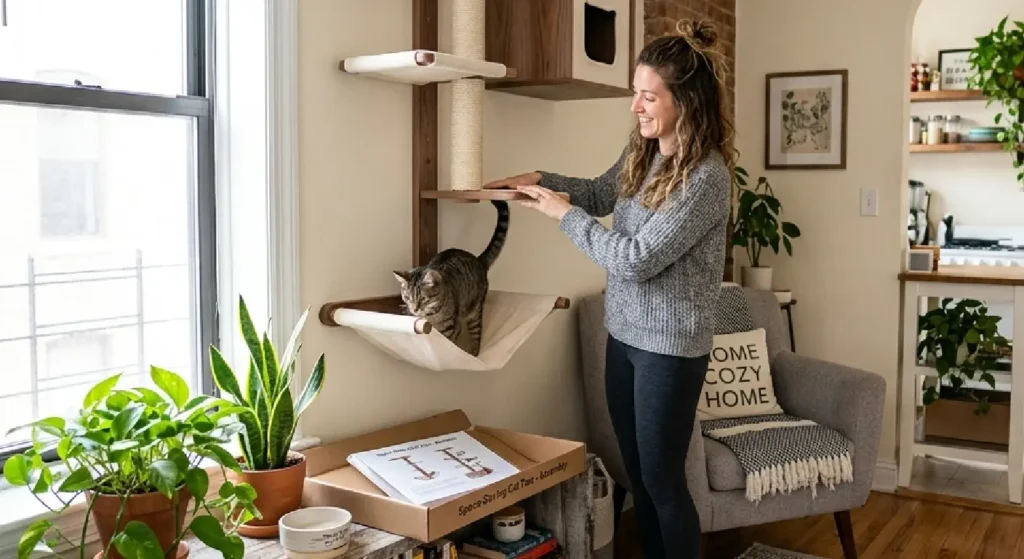
Installation and Safety
Cat trees win on simplicity: most arrive ready to assemble with a screwdriver and an hour of patience. The trade-off is that a tall tree must rest on a wide, weighted base to stay upright under an enthusiastic pounce.
Wall-mounted shelves demand more upfront effort but reward you with rock-solid security once installed. The golden rule is to anchor everything into wall studs, not just drywall, using a stud finder to locate them. Each board should be rated to hold well above your cat’s weight, and the spacing between boards should match your cat’s jumping ability so the route feels safe rather than risky. Adding a soft rug or carpet pad beneath the climbing wall cushions any missed landing.

Wall-Mounted Cat Shelves vs. Traditional Cat Trees
| Feature | Wall-Mounted Cat Shelves | Traditional Cat Trees |
|---|---|---|
| Floor space | Uses vertical wall area — ideal for small apartments | Takes up a noticeable footprint on the floor |
| Installation | Requires drilling and anchoring into wall studs | Quick assembly, no drilling needed |
| Stability | Very stable when mounted correctly | Depends on the base; tall models can wobble |
| Hideaways | Few enclosed nooks; mostly open platforms | Often includes cozy cubbies for napping |
| Scratching posts | Usually added separately | Frequently built in |
| Style | Sleek, modern, blends into decor | Can clash with interior design |
| Best for | Active climbers and tight, stylish spaces | Cats wanting hideaways; renters who can't drill |
| Cost | Cheap for a few boards; pricey for a full wall | Budget options exist; premium towers cost more |
| Maintenance | Check mounts; wipe boards clean | Replace worn carpet and frayed rope over time |
Which Cats Benefit Most From Each Option
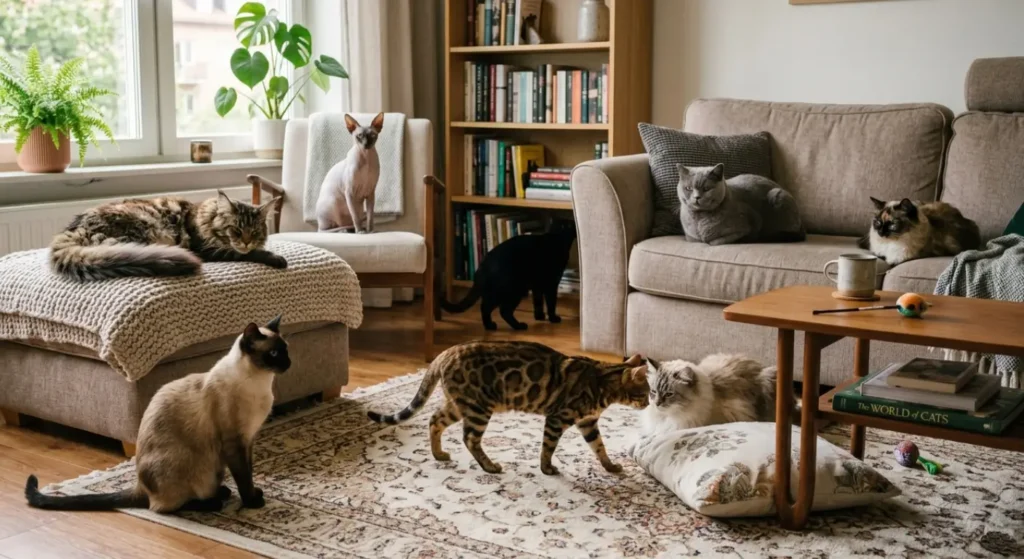
Active, adventurous cats who treat your curtains like a ladder will thrive on a tall tree or a sprawling network of shelves that lets them leap from perch to perch. Kittens and senior cats often do better with lower, gently spaced boards or a tree with closely set platforms, since extreme heights can be intimidating or unsafe for them. Multi-cat households frequently benefit from combining both, giving each pet enough territory to avoid squabbles. Shy cats appreciate the enclosed hideaways of a tree, while bold explorers love the open sightlines that wall-mounted cat shelves provide.
Maintenance Tips for Both Options
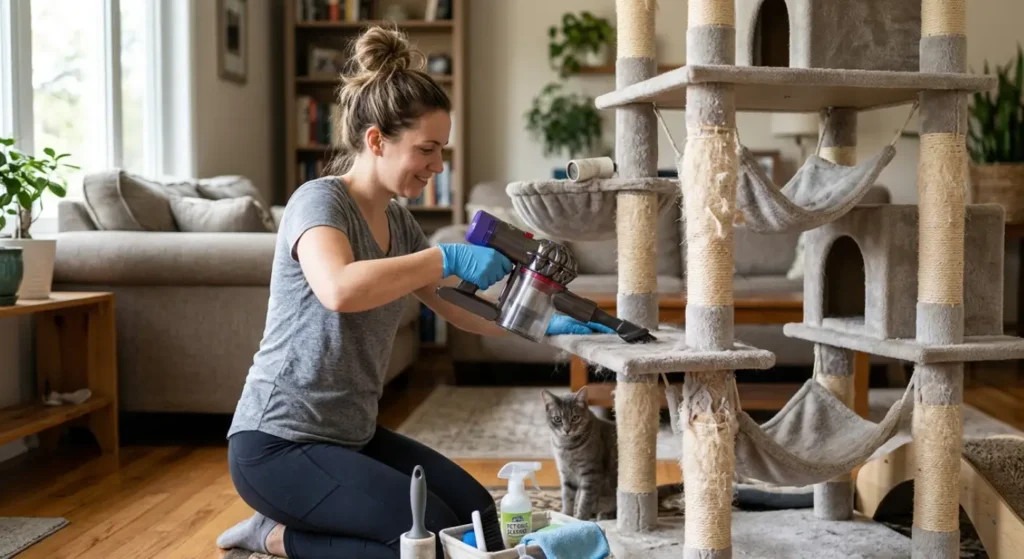
Whatever you choose, regular upkeep keeps your cat safe. Inspect your shelves and trees periodically for loose screws, wobbling, or frayed material, and tighten or replace parts as soon as you spot wear. Vacuum platforms and cubbies to control hair and dander, and wipe down each board with a pet-safe cleaner to keep it hygienic. Swapping out a worn scratching post or re-anchoring a slipping platform prevents small problems from becoming accidents. A well-maintained wall of shelves can last for many years, making the upkeep well worth the effort.
Conclusion
There is no single right answer in the cat shelves versus cat tree debate. Both deliver the vertical territory cats crave, and both come with their own perks and limitations. A traditional tree offers cozy hideaways and effortless setup, while a wall arrangement delivers space-saving style and excellent stability. The most important goal is to build a safe, stimulating space your cat genuinely enjoys. For many homes, a thoughtful blend of a tree and a set of shelves creates the most dynamic environment of all, ensuring your feline companion stays happy, healthy, and entertained indoors for years to come.
Frequently Asked Questions
1. Are wall-mounted cat shelves safe for cats?
Yes, as long as they are installed correctly. Anchoring the boards into wall studs and choosing models rated above your cat’s weight makes them very secure, often more stable than a freestanding tree.
2. Do cat shelves work for older or overweight cats?
They can, but spacing matters. Place the platforms low and close together so senior or heavier cats can step rather than leap, and add a soft surface below for extra safety.
3. How much weight can cat shelves hold?
It depends on the product and how it is mounted. Quality boards anchored into studs typically support 20 to 40 pounds or more, which comfortably handles most cats.
4. Can I install cat shelves without drilling into the wall?
Permanent installations usually require drilling for safety. Renters can look for freestanding alternatives or tension-pole systems, but these are generally less stable than mounted units.
5. How high should I mount cat shelves?
There is no fixed rule, but start the lowest board at a comfortable jumping height and space each one within your cat’s leaping range. Adjust the layout based on your cat’s age and agility.
6. Are cat trees or cat shelves better for small apartments?
Wall-mounted boards are usually the better choice for tight spaces because they use vertical area instead of valuable floor space, giving your cat room to climb without crowding the room.
7. Will my cat actually use cat shelves?
Most cats take to them quickly, especially if you place treats or familiar bedding on the platforms at first. Climbers in particular love the elevated routes that a wall setup creates.
8. Can I combine a cat tree with cat shelves?
Absolutely. Many owners pair a tree with mounted boards to build a larger climbing network, which adds variety and is especially helpful in multi-cat homes.
9. How do I clean cat shelves?
Vacuum or brush off loose hair, then wipe the surfaces with a pet-safe cleaner. Check the mounts while cleaning so you can re-tighten anything that has loosened.
10. Do cat shelves help with behavior problems?
Often, yes. Giving a bored cat vertical territory can reduce stress, curb destructive scratching, and ease tension between cats competing for space.